Effect of Screw Lead in Worm Gear Screw Jacks

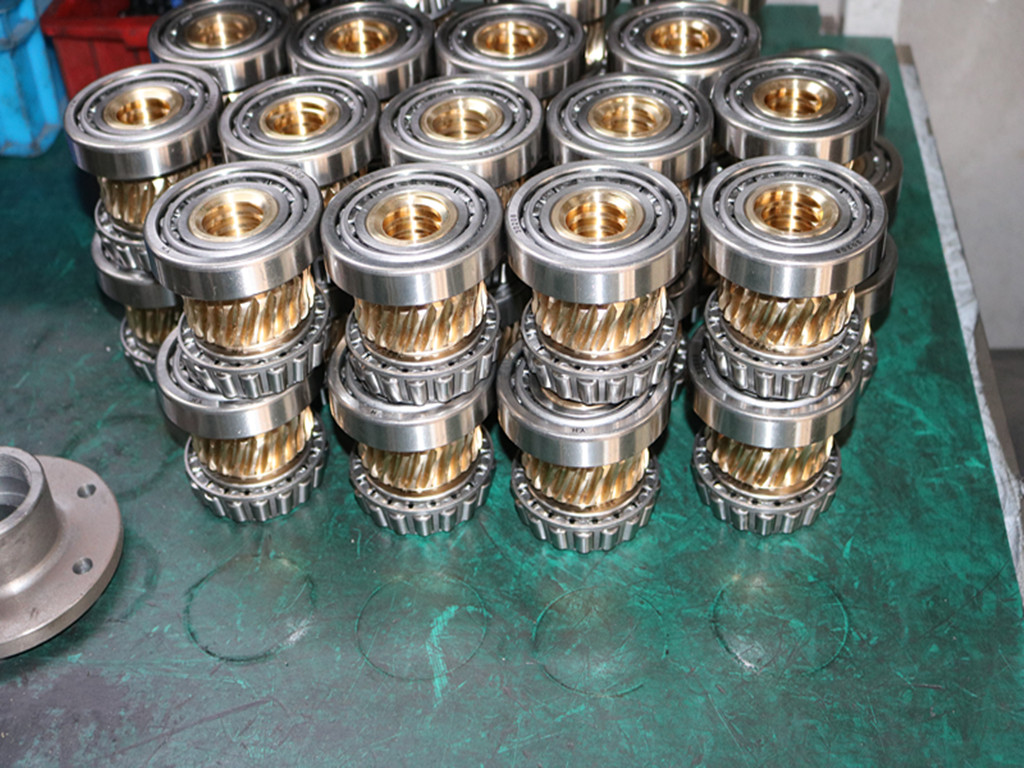
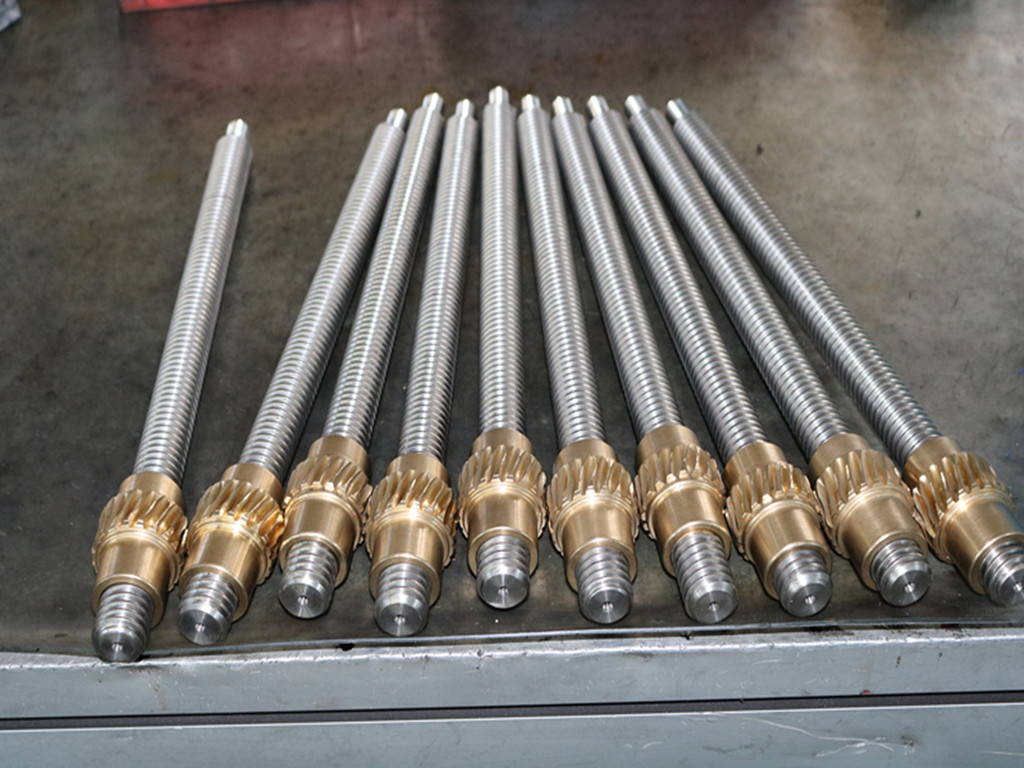
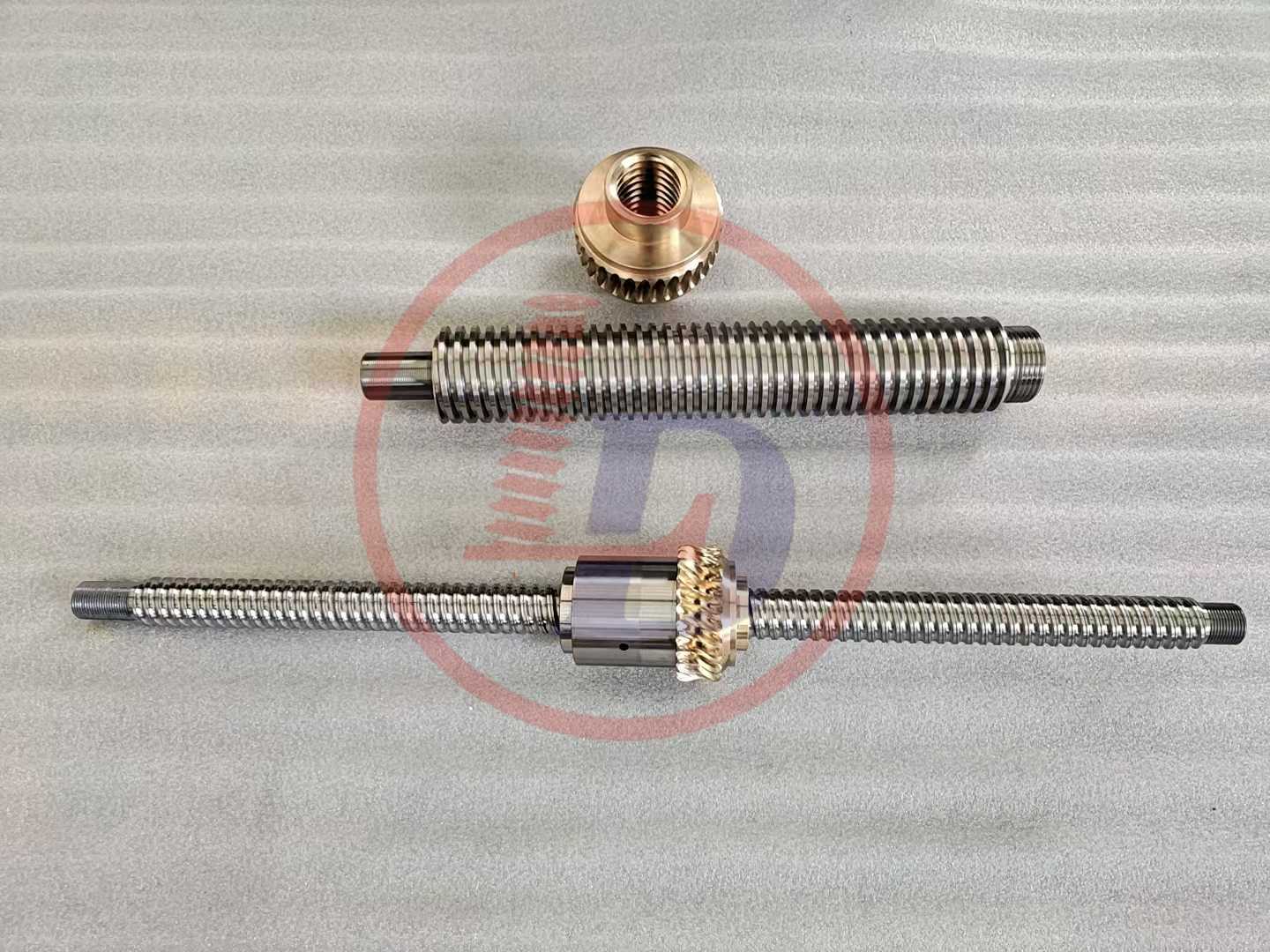
In the selection of a worm gear screw jack, the lead of the screw plays a critical role in determining the performance of the system. A larger lead means that the screw produces a longer linear displacement per revolution, which results in higher lifting speed and improved transmission efficiency. However, this also leads to weaker self-locking capability, making the system prone to back-driving and often requiring an additional braking device. Moreover, screw jacks with larger leads generally have lower load capacity and reduced positioning accuracy, making them more suitable for applications where high speed and efficiency are prioritized.
On the other hand, screw jacks with smaller leads operate at lower lifting speeds and lower transmission efficiency, but they provide stronger self-locking capability, higher positioning accuracy, and greater load capacity. They can reliably hold loads in place after stopping, which is particularly valuable in heavy-duty or precision applications. For this reason, small-lead screw jacks are commonly used in scenarios requiring heavy load handling, precise positioning, or self-locking, such as mold adjustment or clamping systems. In contrast, large-lead screw jacks are preferred in applications where fast lifting and high efficiency are needed, such as automated production lines or lifting platforms. Therefore, choosing the proper screw lead is a key factor in ensuring that the worm gear screw jack meets the specific requirements of an application.


How does the linear motion device achieve the angle adjustment function?

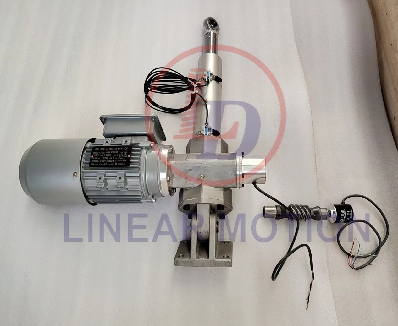
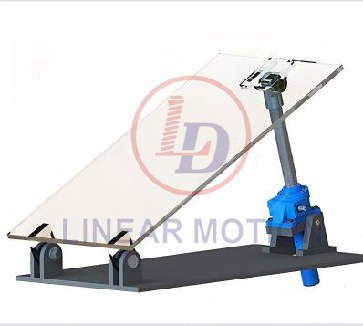
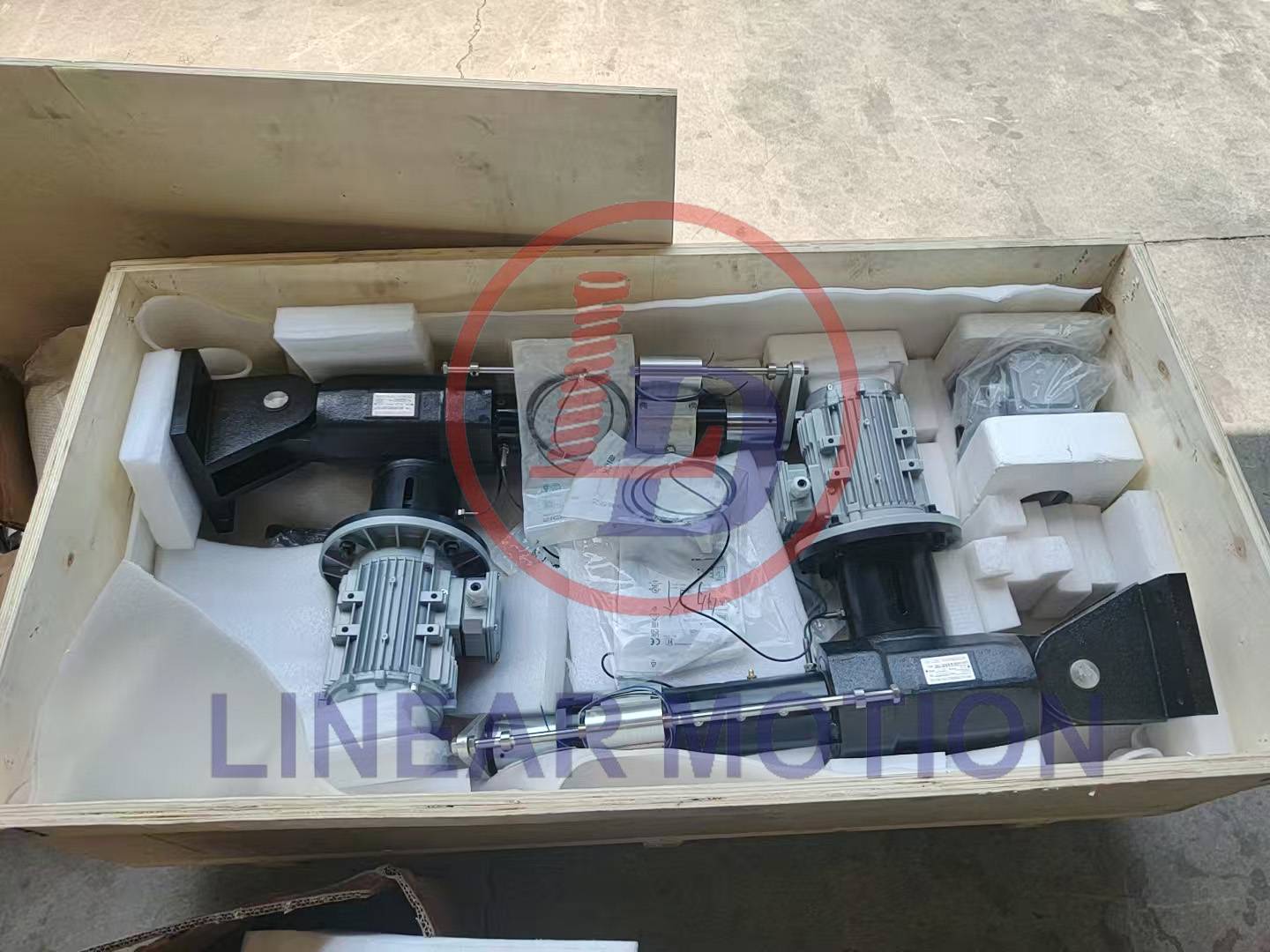
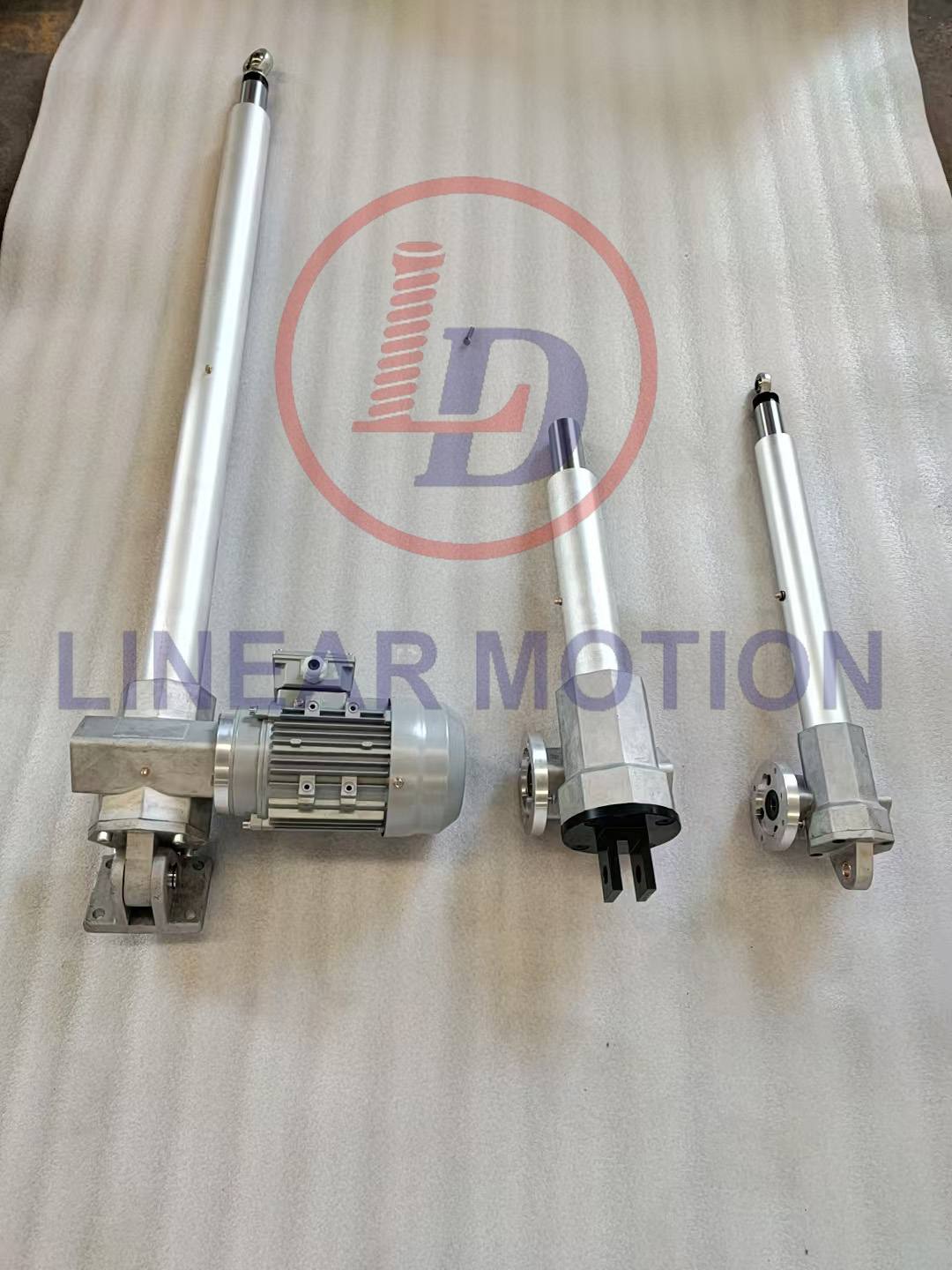
Common linear motion devices, such as screw jacks and electric linear actuators, not only allow for vertical lifting but also multi-angle adjustment. Electric linear actuators are a good choice for angle adjustment of screw linear products. As an extension of the screw jacks, their design features a tail end cap with a pin holder and a pinhole head, making installation simple and convenient for multi-angle adjustment. The electric linear actuator's travelling nut is designed with a telescopic tube, which improves overall protection and stability. However, the overall height is also doubled, which limits its use in applications with limited installation space. Due to its anchor-mounted design, screw jacks require additional trunnions and footing to achieve angle adjustment.

electric linear actuatorscrew jack actuator

The introduction and comparison of SWL series/SJA series/JWM series worm gear screw jack

The introduction and comparison of SWL series/SJA series/JWM series worm gear screw jack


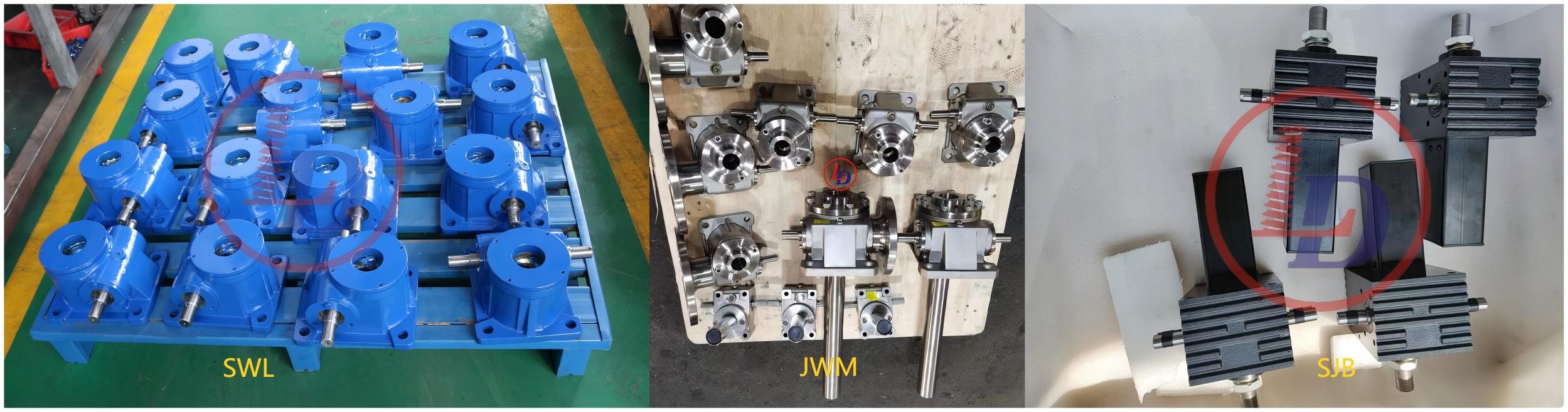
SWL, SJA, and JWM are three widely used types of worm gear screw jacks, applied across machinery, automation, stage equipment, and heavy industries. While all three operate on the same worm gear and screw principle, they differ in structure, load capacity, precision, and typical applications.

The SWL series is a classic and cost-effective choice, suitable for general lifting, pushing, and adjustment tasks. Customers looking for reliable worm gear screw jack suppliers will find SWL to be a proven solution for moderate loads and standard industrial applications.

The SJA series offers a modular and compact design, providing higher precision and efficiency. With multiple configurations and optional accessories, it is ideal for automated production lines and multi-point synchronized systems. This series is often selected as a mini screw jack lifts for projects requiring smooth and controlled movement.

The JWM series is a reinforced heavy-duty model designed for low-speed, high-load, and highly stable operation. Compact variants are also available, making it suitable for applications needing screw jack actuator without compromising strength or reliability.

Below is a comparison of the three series:

Feature/Series

SWL Series

SJA Series

JWM Series

Product Type

Classic general-purpose

Modular precision type

Heavy-duty reinforced type

Structure

Mature,standard components

Compact, supports multi-jack use

Robust, durable, shock-resistant

Load Capacity

0.5T 100T

1T 50T

1T 120T

Precision & Stability

Standard

Higher than SWL

High, long-lasting

Typical Applications

Mold adjustment, stage lifts, general equipment

Automated lines, precision adjustment, synchronized lifting

Metallurgy, energy, heavy machinery

Cost

Low

Medium

MediumHigh


From above  we can see that SWL emphasizes versatility and cost-effectiveness, SJA focuses on precision and automation, and JWM provides durability and stability for heavy-duty applications. Understanding these differences helps you choose the most suitable series for their specific industrial requirements.


What does the different gear ratio of a worm gear screw jack mean?


The gear ratio (also called the transmission ratio) of a worm gear screw jack refers to the ratio between the rotational speed of the worm and the rotational speed of the screw, usually expressed as the ratio of the worm's speed to the screw's speed. The gear ratio directly affects the speed and output torque of the screw jack.

Meaning of Gear Ratio:

Definition of Gear Ratio:
The gear ratio (Transmission Ratio) is the transmission ratio between the worm wheel and the worm, usually represented by the ratio of the number of teeth on the worm wheel to the number of threads on the worm. For example, if the worm wheel has 50 teeth and the worm has 10 threads, the gear ratio would be 5:1.

Impact on Speed:
The gear ratio determines the relationship between the rotational speed of the worm and the screw. The larger the gear ratio, the slower the worm's speed and the slower the screw's lifting speed. Therefore, a higher gear ratio will slow down the screw's movement, which is suitable for applications requiring precise control. A lower gear ratio will result in faster screw movement, which is suitable for quick lifting needs.

Impact on Torque:
The larger the gear ratio, the greater the torque transmitted from the worm to the screw. In cases of heavy loads, a larger gear ratio can provide higher output torque, allowing the jack to support heavier loads.

  • Low Gear Ratio (e.g., 1:1 or 3:1) typically provides higher speed but lower output torque, making it suitable for light load, high-speed applications.

  • High Gear Ratio (e.g., 10:1 or 20:1) provides greater torque, making it suitable for applications requiring higher load capacity and precision, but with slower speed.

Gear Ratio and Application Scenarios:

Higher Gear Ratio (e.g., 20:1, 30:1):

  • Suitable for high-load, low-speed applications. Due to lower speed, it provides greater torque, making it ideal for heavy-duty equipment or precision-controlled applications, such as precision lifting platforms and large machinery.

  • Typical Applications: Lifting platforms, heavy-duty cranes, precision machinery.

Lower Gear Ratio (e.g., 3:1, 5:1):

  • Suitable for light-load, high-speed applications. Due to the smaller gear ratio, the speed is higher, but the torque is lower, making it suitable for applications that require faster movement but are not designed for heavy loads.

  • Typical Applications: Light-duty conveyor systems, automated production lines, etc.

Impact of Gear Ratio on Self-locking Performance:

Worm gear screw jacks often feature a self-locking function, meaning that when the worm stops turning, the friction generated by the engagement between the worm and the worm wheel prevents the load from automatically sliding down. When the gear ratio is larger, the self-locking ability is stronger, because the engagement angle between the worm and the worm wheel is greater, making it more difficult for the load to move in the opposite direction.


What is the function of a linear actuator in automation?

In automation systems, a linear actuator serves as a critical component that converts various forms of energy (such as electrical, hydraulic, or pneumatic) intocontrolled linear motion(push, pull, lift, or lower). Its primary functions and roles in automation can be categorized as follows:

1. Enabling Precise Positioning

Linear actuators provide accurate control over the linear displacement of components, ensuring that parts, tools, or workpieces move to specific positions with high repeatability. This is essential in automated production lines, where tasks like:

  • Aligning components during assembly (e.g., inserting a pin into a hole with millimetric precision).
  • Positioning sensors or cameras for quality inspection (e.g., scanning products at exact intervals).
  • Adjusting tooling (e.g., moving a cutting blade to a precise depth in machining).

2. Driving Load Handling

They generate force to move or manipulate loads, ranging from lightweight objects to heavy machinery. This function is vital for:

  • Material handling: Pushing pallets onto conveyor belts, lifting goods in warehouses (e.g., automated storage systems).
  • Clamping or gripping: Securing workpieces during manufacturing processes (e.g., holding a metal part while welding).
  • Pressing or stamping: Applying controlled force to shape materials (e.g., in automotive part production).Linear actuator

3. Enabling Sequential Automation

Linear actuators integrate with control systems (e.g., PLCs, microcontrollers) to execute predefined motion sequences, enabling fully automated workflows. For example:

  • In packaging machines: Pushing products into boxes, sealing lids, or adjusting packaging film tension in a synchronized order.
  • In robotics: Moving robotic arms or end-effectors through specific paths to complete tasks like picking and placing items.

4. Adapting to Variable Conditions

Many linear actuators offer adjustable speed, force, and stroke length, allowing automation systems to adapt to changing requirements:

  • Adjusting the speed of a conveyor pusher based on product size.
  • Modifying clamping force to handle delicate items (e.g., electronics) vs. rigid materials (e.g., metal).
  • Extending or shortening stroke length to accommodate different workpiece dimensions without reconfiguring the entire system.

5. Enhancing Safety and Efficiency

By replacing manual linear motion (e.g., hand-cranking, manual lifting), linear actuators:

  • Reduce human intervention, minimizing the risk of workplace injuries in heavy or repetitive tasks.
  • Ensure consistent motion, reducing errors in manufacturing or processing.
  • Operate continuously without fatigue, improving production throughput.

In summary, linear actuators are the "muscles" of automation, translating control signals into tangible mechanical action. Their ability to deliver precise, controlled, and adaptable linear motion makes them indispensable in industries such as manufacturing, logistics, robotics, aerospace, and healthcare.electric linear actuator

Frozen Food Accurate Counting Solution

Frozen Food Accurate Counting Solution

Q1: What are the pain points of traditional frozen food counting methods?
Traditional manual or simple mechanical counting methods mainly suffer from two major pain points: low efficiency, which struggles to meet large-scale production demands, and high error rates, leading to cost losses and customer complaints.

frozen food counting machine


Q2: How does Zhiwan Vision Particle Counting Machine solve these problems?
Our automatic vision counting machine utilizes advanced machine vision and optical technology to provide a high-precision, fully automated counting solution, fundamentally eliminating the aforementioned pain points.


Q3: What are the core advantages of this equipment?

Advantage

Description

Counting Accuracy

Accuracy rate as high as 99.9% or above

Processing Speed

Capable of processing thousands of items per minute

Adaptability

Widely adapts to frozen foods of various shapes and sizes (e.g., meatballs, shrimp, vegetables)

Hygiene & Safety

Food-grade contact materials ensure no contamination

Smart Learning

Built-in algorithm continuously learns and optimizes for high recognition accuracy


Q4: What types of frozen foods can it recognize?
The equipment has a broad range of applications, including but not limited to:

  • Frozen meat, meatballs, sausages
  • Seafood (e.g., whole shrimp, shrimp meat, fish pieces)
  • Cheese cubes, frozen fruits, vegetables
  • Desserts, baked goods (e.g., frozen fries, pumpkin pies)
  • Other convenient frozen foods


Q5: In which stages of the production process is it typically used?
There are three main application scenarios:

  • Online Counting (Front-end Integration): Integrated at the front end of the production line to achieve fully automated counting from production to packaging.
  • Quality Sampling (End-stage Verification): Conducts precise sampling at the end of the packaging stage to strictly control outgoing quality.
  • Warehouse Inventory: Used for fast and accurate inventory checks in raw material or finished product warehouses, improving storage management efficiency.


Q6: What specific value can it bring to our customers?

Benefit

Description

Efficiency Boost

Counting efficiency is 5-10 times higher than manual methods, speeding up production cycles

Cost Control

Significantly reduces labor costs and material loss due to counting errors

Quality Assurance

Drastically reduces counting errors, improving product quality and customer satisfaction

Data Traceability

Provides complete counting data records for precise production traceability

Compliance & Safety

Fully complies with food hygiene and safety regulations and standards


Q7: How can we get more information or experience the product?
Feel free to contact our professional team at any time. We can provide detailed product technical documentation and success cases, and based on your needs, arrange a free on-site demonstration to offer a tailored technical solution.

Intelligent vision Counting Systems Precision for Modern Warehousing

Intelligent vision Counting Systems: Precision for Modern Warehousing

In today's Industry 4.0 landscape, warehouse efficiency and accuracy are crucial to competitive supply chain performance. Businesses handling bulk granular materials—such as fasteners, pharmaceuticals, seeds, electronic components, and jewelry accessories—often face inefficiencies and inaccuracies during counting processes. Manual methods are slow, prone to errors, and struggle with mixed batches or irregularly shaped items.

Hefei The One Electronic Technology Co., Ltd. specializes in advanced warehouse vision counting machine designed to overcome these challenges. Our machines enhance workflow accuracy, reduce operational costs, and support seamless digital integration—making them ideal for modern warehouses aiming for full automation.

warehouse vision counting machine


The Limitations of Manual Counting & Our Automated Approach

Common Issues with Traditional Methods

Time-consuming counting reduces throughput in receiving, sorting, and shipping.

Human errors lead to inaccurate inventories, financial discrepancies, and customer disputes.

High reliance on labor increases operational costs and limits scalability.

Manual data entry creates delays, inaccuracies, and poor traceability.


How Our vision Counting System Works
Equipped with high-resolution industrial cameras and proprietary AI-based vision algorithms, our system instantly recognizes, analyzes, and counts particles—even when overlapping or irregularly shaped.

Unmatched Speed and Accuracy: Count thousands of items per minute with near-perfect accuracy.

Wide Material Compatibility: Works with screws, capsules, seeds, electronic parts, beads, and more.

Real-Time System Integration: Compatible with WMS, ERP, and other warehouse management platforms for automated data synchronization.


Key Use Cases in Warehouse Operations

Incoming Goods Inspection
Rapidly verify quantities during receiving—whether performing full checks or random sampling—to ensure order accuracy and reduce offloading time.

Inventory Sorting and Cycle Counting
Integrate into packing lines for automated batch splitting and efficient stocktaking. Ideal for kitting and custom order fulfillment.

Outbound Quality Control
Recheck quantities before shipping to prevent order errors, reduce returns, and strengthen customer trust.

Fully Automated Packaging and Labeling
Select advanced models that combine counting, packaging, and labeling into one seamless operation—printing labels with item name, quantity, batch number, and date in compliance with international traceability standards.

fullly automatic counting and packaging machine


Engineered for Performance and Reliability

We independent developmed machine vision algorithms ensure robust performance across diverse industrial environments. Our systems are already trusted across industries including pharmaceuticals, agriculture, electronics, hardware, and retail logistics.

Designed to support lean management and Industry 4.0 readiness, our vision counters help businesses minimize waste, maximize efficiency, and transition toward fully automated warehouse operations.

Upgrade to a smarter, error-free warehouse with our vision counting systems.

Is R407C Compatible With Any Refrigerant?

Refrigerant gas R407C has been a reliable choice for air conditioning and heat pump systems, especially since the phase-out of R22. It’s known for being a high efficiency refrigerant and a more eco-friendly alternative. But a common question arises:


Can R407C be used with or mixed with other refrigerants?

Let’s explore what makes R407C refrigerant unique—and why compatibility matters more than you might think.


What Is R407C?

R407C is a zeotropic HFC blend made up of:


R32 (23%)

R125 (25%)

R134a (52%)


This combination gives refrigerant gas R407C a good balance of cooling performance, energy efficiency, and environmental safety (no ozone depletion). It’s commonly used in residential and commercial systems, and it's often considered a go-to R22 replacement.

Since it's chlorine-free, eco-friendly refrigerant R407C meets global environmental regulations like the Montreal Protocol.


Is R407C Compatible With Other Refrigerants?

The short answer: No. Don’t mix refrigerants.

Even though some refrigerants may appear similar, R407C refrigerant is not compatible with:


R22 (its predecessor)

R410A

R134a

Or any other refrigerant


Here’s why:

R407C is a zeotropic blend, which means it has a glide—its components boil at different temperatures. Mixing it with another refrigerant changes the pressure-temperature relationship and disrupts system performance.

Mixed refrigerants can lead to:


Inaccurate superheat/subcooling readings

Reduced efficiency and cooling capacity

Compressor overheating or failure

Loss of manufacturer warranty


In many countries, it's illegal to mix refrigerants due to safety and environmental risks.


What If I’m Replacing R22?

You can use R407C refrigerant for R22 system retrofits, but the process must be done correctly.

Key retrofit steps:

Recover all R22 (don’t mix)

Flush or replace components if needed

Switch from mineral oil to POE oil

Check for material compatibility (especially seals and O-rings)

Charge the system with pure, high efficiency refrigerant R407C

Skipping these steps can reduce efficiency or cause leaks.


Are There Better Alternatives?

While eco-friendly refrigerant R407C is still widely used, newer low-GWP options are entering the market, such as:


R32 (higher efficiency, but mildly flammable)

R454B (lower GWP, designed to replace R410A)


However, if your system is designed for or retrofitted to R407C refrigerant, it remains a cost-effective and efficient solution—just don’t mix it.


Final Thoughts

R407C is not compatible with other refrigerants. Mixing it with anything else, including R22 or R410A, is unsafe, inefficient, and potentially illegal.

If you're using refrigerant gas R407C, keep it pure.

If you’re switching from another refrigerant, retrofit properly.

And when in doubt, always consult a certified HVAC technician.

What is R454B Refrigerant Equivalent To? Your Friendly Guide

Have you ever wondered what the future of cooling looks like? As the world embraces greener technologies, even the refrigerants that cool our homes, preserve our food, and power our air conditioners are evolving. One of the most promising new options is refrigerant gas R454B—a cleaner, more efficient alternative designed to meet today’s environmental demands.

But what exactly is R454B, and what can it replace? Let’s break it down.


So, What is R454B Refrigerant Equivalent To?

In simple terms, R454B refrigerant is a low-GWP (Global Warming Potential) alternative to R-410A, one of the most widely used refrigerants in residential and light commercial HVAC systems. If you’ve used an air conditioner or heat pump in the past 20 years, chances are it ran on R-410A.


Here's the difference:

R-410A GWP: 2088

Eco-friendly refrigerant R454B GWP: Just 466


That’s a 78% reduction in climate impact—making high efficiency refrigerant R454B a crucial step forward in meeting international regulations like the Kigali Amendment.

While R-410A is its primary equivalent, some testing also shows R454B refrigerant for R-32-based systems is technically possible with proper system adjustments.


Why Does This Matter?

You might be thinking: “It’s just a gas swap, right?” Not quite. The fact that R454B refrigerant is a close match to R-410A is what makes it such a game-changer in the transition to greener cooling solutions.


1. Smooth Equipment Transition

Manufacturers don’t need to redesign HVAC systems from scratch. Many existing R-410A systems can adopt refrigerant gas R454B with only minor modifications—saving time, cost, and engineering effort.

2. Boosted Energy Efficiency

You don’t have to sacrifice performance for sustainability. In fact, high efficiency refrigerant R454B can improve energy efficiency by up to 4.7% compared to R-410A, meaning lower energy bills and a smaller carbon footprint.

3. A Viable Solution to Regulatory Pressure


As regulations phase out high-GWP refrigerants, eco-friendly refrigerant R454B fills the gap with a practical, available, and future-ready alternative.


What’s Inside R454B?

Eco-friendly refrigerant R454B is a blend of:


R-32 (68.9%) – a widely used refrigerant with moderate GWP

R-1234yf (31.1%) – a next-generation HFO with GWP < 1


The result? A refrigerant with:

Zero Ozone Depletion Potential

Significantly reduced GWP

Excellent thermal performance


This unique combination makes R454B refrigerant both climate-friendly and effective for a wide range of HVAC applications.


Is R454B the Same as R-410A?

Not exactly. While they’re functionally similar, there's a key difference in safety classification.

R-410A: A1 – non-flammable

R454B refrigerant: A2L – mildly flammable


Before you worry, "mildly" is the key word. A2L refrigerants have low burning velocities and are difficult to ignite. Systems using refrigerant gas R454B are designed with added safety measures like leak detection and sealed components to mitigate risk. Always ensure installations are handled by qualified professionals.


Where is R454B Refrigerant Used?

Adoption of R454B refrigerant for new systems is growing quickly. You’ll see this high efficiency refrigerant in:

Residential & Light Commercial AC: Split systems, ducted units, and heat pumps


Direct Expansion (DX) Chillers: Mid-sized commercial cooling

High-Temperature Heat Pumps: Ideal for heating as well as cooling

Commercial Refrigeration: Including supermarket display cases and cold rooms


An added bonus? Systems using R454B refrigerant typically require 20–30% less charge volume than R-410A—making them even more eco-conscious and cost-efficient.


The Bottom Line

So, what is R454B refrigerant equivalent to? It's the modern, low-GWP successor to R-410A—offering a blend of high performance, energy efficiency, and environmental responsibility.

Whether you’re upgrading an HVAC system or specifying equipment for a new build, asking about R454B refrigerant is a smart step toward a sustainable future.


Choose the high efficiency, eco-friendly refrigerant R454B—and keep your cool the greener way.
Enhance Steering Precision & Durability with FENGYU Idler Arms for Trucks and SUVs

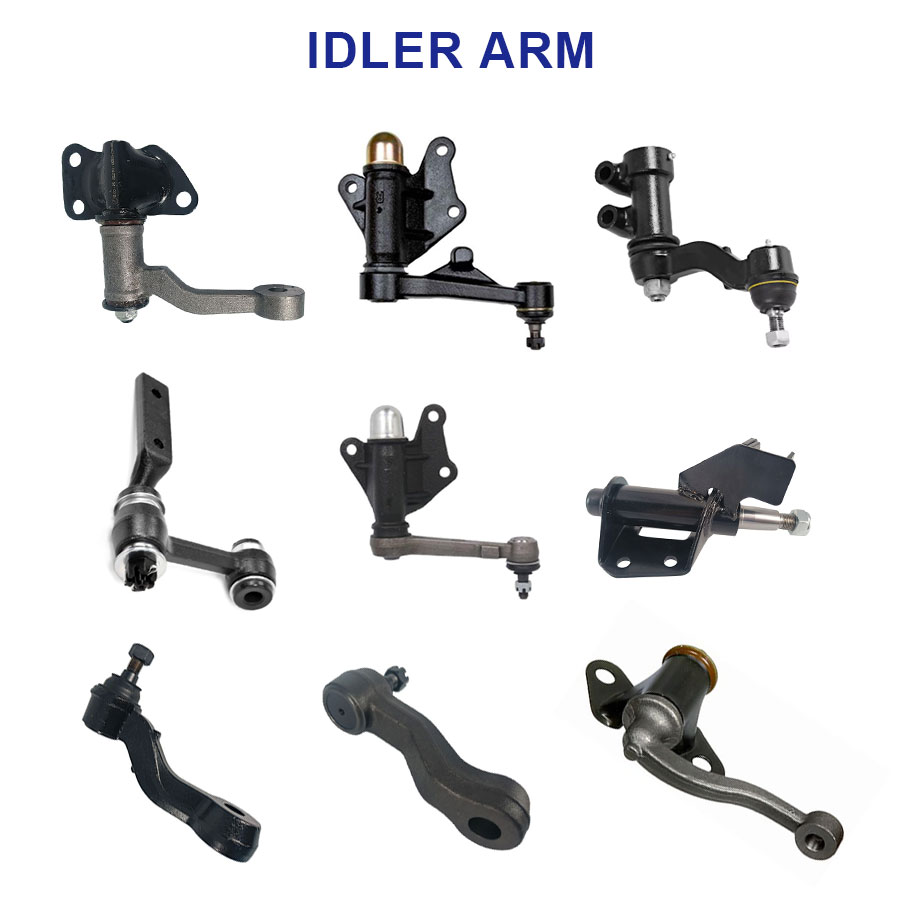
When it comes to maintaining optimal steering control and suspension integrity in trucks and SUVs, the idler arm plays a critical role. As a complement to our renowned stabilizer links, FENGYU is proud to offer a comprehensive range of high-quality idler arms engineered to meet the demands of diverse vehicle models—from daily commuters to heavy-duty workhorses.

With over 30 years of expertise in automotive suspension manufacturing, FENGYU provides idler arms designed for precision fit and extended service life. Our product lineup includes:


  • Ford Idler Arm, Ford F-150 Steering Idler Arm

  • Toyota Idler Arm, Honda Idler Arm

  • Chevrolet Idler Arm, Buick Enclave Idler Arm

  • Nissan Titan Steering Idler Arm, Mazda BT-50 Front Idler Arm

  • BMW Idler Arm

  • Custom Idler Arms for Popular Trucks & SUVs

  • And more car models available

Whether you're servicing a rugged Ford F-150, a dependable Chevrolet Silverado, or a sophisticated European model, FENGYU delivers components that restore like-new steering responsiveness and safety.

factory-direct Idler Arm supplier

Built Strong to Last Longer: Superior Materials & Design

At FENGYU, every idler arm is manufactured with durability in mind. We use high-strength forged steel and ductile iron castings to ensure structural integrity under extreme stress and load. Critical pivot points are machined to tight tolerances for smooth articulation, while corrosion-resistant coatings protect against rust and wear.

Our idler arms also feature advanced bronze or polymer bushings designed to absorb shocks and reduce vibration. This translates to quieter operation, improved road feedback, and longer component life—key advantages for both off-road adventures and urban driving.


Customization Options: OEM/ODM Services Available

We understand that one size does not fit all. That’s why FENGYU offers extensive customization support for idler arms, including:

  • Finish options: zinc plating, powder coating, or black phosphating

  • Laser etching with brand logos or part numbers

  • Tailored packaging—from simple polybags to retail-ready boxes

With a low MOQ of just 100 pieces per reference, we make it easy for distributors and wholesalers to build a branded inventory that stands out in the competitive auto parts market.


Quality Assurance: Tested, Certified, Trusted

FENGYU idler arms undergo rigorous testing for dimensional accuracy, fatigue strength, and environmental resistance. Our quality management system is certified to IATF and ISO standards, ensuring every part meets or exceeds OEM specifications.

From raw material selection to final assembly, we maintain strict process controls so you can supply your customers with confidence.


Global Supply, Local Support

With ready stock of over 100,000 suspension components and a streamlined production cycle, FENGYU ensures prompt delivery for both bulk and customized orders. Our responsive after-sales team provides hassle-free warranty support and technical assistance, helping you uphold a reputation for reliability.


Drive Your Business Forward with FENGYU

As a trusted manufacturer of steering and suspension components—including idler arms and stabilizer links—FENGYU is your ideal partner for sourcing parts that perform. We support businesses worldwide with factory-direct pricing, three decades of export experience, and a commitment to innovation and quality.


Ready to stock premium idler arms for your market?
Contact FENGYU today to request catalogs, discuss customization needs, or place a trial order. Let us help you steer ahead of the competition.