Which Is Better for Your Facility Water Cooled Screw Chiller or Air Cooled Chiller

Which Is Better for Your Facility Water Cooled Screw Chiller or Air Cooled Chiller


You usually pick a water cooled screw chiller for big places or places that need to be quiet. Air cooled chillers are good for smaller places, places with little space, or where there is not much water.


Factor

Water Cooled Screw Chiller

Air Cooled Chiller

Efficiency

High

Moderate

Cost

Higher

Lower

Maintenance

More

Less

Climate Suitability

Any climate

Mild climates

Space

Needs mechanical room

Needs outdoor space

Noise

Quiet

Louder

Lifespan

Long

Shorter

Every place is different. Think about your space, money, and weather before you choose.


Key Takeaways

  • Water cooled screw chillers use less energy. They are quieter and last longer. These chillers work well in big buildings. They are good for places that are very hot.

  • Air cooled chillers cost less at first. They do not need much care. They fit in small spaces. They are good where there is not much water. But they are louder. They do not work as well in hot weather.

  • Pick your chiller by looking at your building size. Think about the weather and how much water you have. Also, check your budget. This helps you get the best cooling and save money.


How They Work
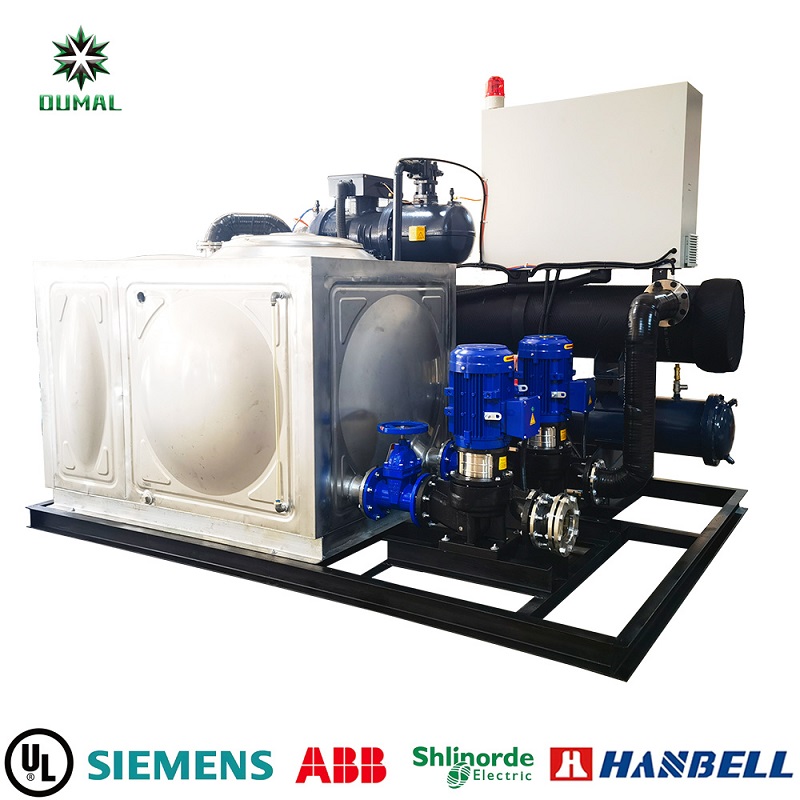
Water Cooled Screw Type Integrated Chiller machine

Water Cooled Screw Chiller

A water cooled screw chiller gives strong cooling for big places. It takes heat from your building and puts it into water. The water goes through pipes to a cooling tower. The cooling tower lets the heat out into the air. You find these chillers in hospitals, factories, and big offices. They are good for places that need a lot of cooling. Groups like ASHRAE 90.1 and ARI say these chillers work well for big jobs and save energy. New models use special drives and better refrigerants. This helps save more energy and follow strict rules.


Air Cooled Chiller

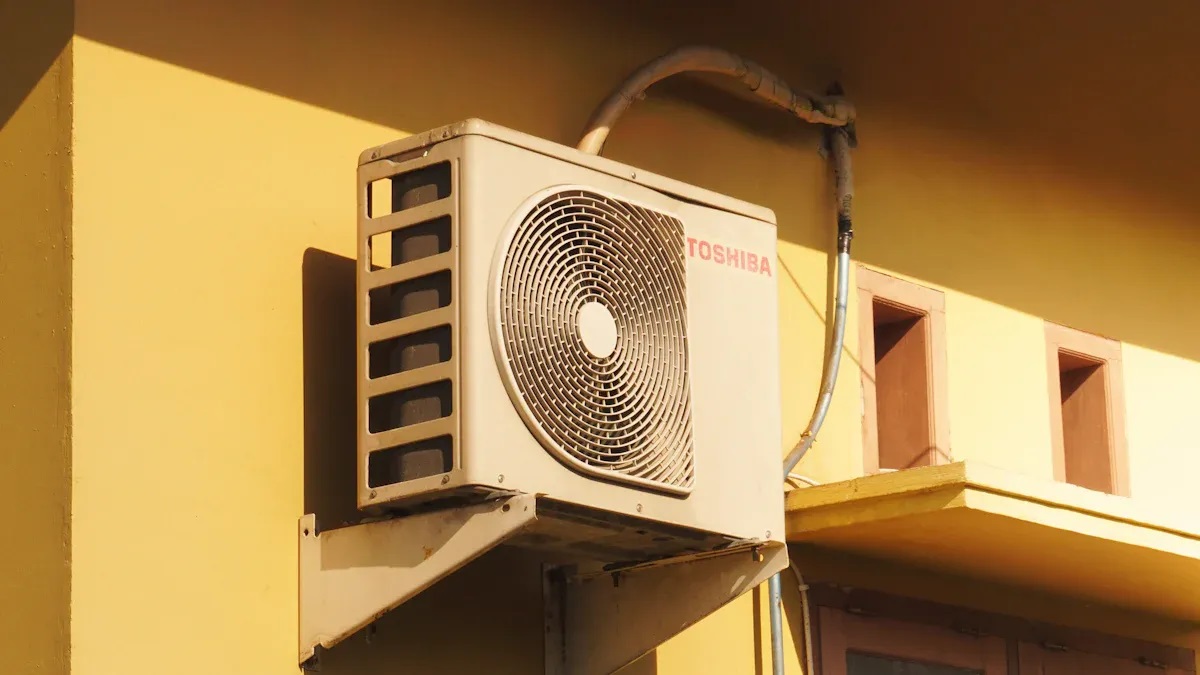
An air cooled chiller is good if you want something simple. It uses fans to blow air over coils to cool the refrigerant. The heat goes straight into the outside air. You do not need a cooling tower or extra water. These chillers are good for small buildings or places with little water. They are easier to put in and take care of. But they might use more energy, especially when it is hot outside.


Main Differences

The biggest difference is how each system gets rid of heat. Water cooled screw chillers use water and cooling towers. Air cooled chillers use air and fans.


Here is a quick look at how they work:

Metric / Parameter

Water Cooled (Underground Heat Exchanger)

Air Cooled / Conventional Systems

Energy Consumption Reduction

14% less than water-cooled with cooling tower

Baseline (uses more energy)

Water Consumption

No water used (0 m³/m²/day)

About 1.95 m³/m²/day water used

COP Increase

6% to 18% higher in ground source heat pump systems

Baseline COP

Heat Transfer Enhancement

Up to 1.5 times better

Baseline heat transfer

A water cooled screw chiller gives better efficiency and heat transfer. Air cooled chillers are easier to set up and cost less at first. But they may not work as well in big or busy places.


Comparison Factors

Energy Efficiency

You want to use less energy and save money. Water cooled screw chillers are usually more efficient. They use water to move heat, which works better than air. Studies show that if you run chillers together in a smart way, you can cool up to 93 kW more each hour. This saves a lot of energy over time. In big buildings, smart controls help cut energy use by over 11%. They also make the Coefficient of Performance (COP) go up by more than 21%. This means your system does more work for each unit of electricity. Air cooled chillers can save energy too if they have variable-speed fans and smart controls. But they are not as efficient as water cooled chillers, especially when it is hot outside.


Costs

You need to think about both the starting cost and the cost to keep it running. Water cooled screw chillers cost more to put in. You need a cooling tower, pumps, and extra pipes. The base cost is about $1,000 for each ton of cooling. Air cooled chillers cost less to install because they do not need extra water systems. But they may use more electricity, especially in hot or dry places. Here is a quick look at cost factors:

Parameter

Water Cooled Screw Chiller

Air Cooled Chiller

Installation Cost

Higher (cooling tower, piping)

Lower (no cooling tower needed)

Operating Cost

Lower (better efficiency)

Higher (less efficient in heat)

Water Use

High

None

Maintenance Cost

Higher (more parts to service)

Lower (simpler system)

In places with little water or very hot weather, cooling costs can go up by 60%. You might also pay more for water in some areas.


Maintenance

You want a system that is easy to take care of. Water cooled screw chillers need more work. You have to check the cooling tower and clean the pipes. You also need to watch for scale or rust. These systems have more moving parts. Air cooled chillers are simpler. You just clean the coils and check the fans. This means less downtime and fewer repairs. If you want less work, air cooled chillers are easier to handle.


Capacity

If your building needs a lot of cooling, water cooled screw chillers are better. They can handle big loads and work well in hospitals, factories, or tall office buildings. They can run for long hours without losing power. Air cooled chillers are good for smaller buildings or places that do not need as much cooling. They may not work as well if you try to cool a big space or run them all day.


Climate Suitability

The weather where you live matters. Water cooled screw chillers work well in any climate, even if it is hot or humid. They do not lose much efficiency when it gets hot outside. Air cooled chillers work best in places that are not too hot. When it is hot, they use more electricity and do not cool as well. Studies show that in Mediterranean climates, smart fan controls can save up to 12% on electricity. In subtropical areas, advanced controls help air cooled chillers save energy. But water cooled chillers still work better in high heat.

Chiller Type

Best Climate

Key Performance Notes

Water cooled screw chiller

Any (hot, humid, dry)

Keeps high efficiency in all conditions

Air cooled chiller

Mild, not too hot

Efficiency drops in high heat; best with smart controls


Space and Noise

You need to plan where to put your chiller. Water cooled screw chillers need a mechanical room and space for a cooling tower. They run quietly, which is good for hospitals or offices where noise matters. Air cooled chillers go outside. They need open space and make more noise because of their fans and compressors. If you do not have much indoor space or do not mind noise, air cooled chillers may work for you.


Lifespan

You want your chiller to last a long time. Water cooled screw chillers usually last longer—often 20 to 30 years—if you take care of them. Their parts wear out slowly because they run in steady conditions. Air cooled chillers last about 15 to 20 years. Weather and temperature changes can make them wear out faster.

If you want a quiet, long-lasting, and efficient system for a big building, water cooled screw chillers are often best. For smaller spaces or places with little water, air cooled chillers are simpler and cost less.


Pros and Cons

Water Cooled Screw Chiller

A water cooled screw chiller gives strong cooling. It works well for big buildings or places needing steady cooling. This system saves energy, so you pay less over time. These chillers are quiet, so they fit in hospitals, hotels, or offices where noise is a problem. If you take care of it, it will last longer.

Tip: You must have a mechanical room and a cooling tower. Make sure you have enough space and water for this system.

Pros:

  • High energy efficiency

  • Quiet operation

  • Handles large cooling loads

  • Long lifespan

Cons:

  • Higher installation cost

  • Needs regular maintenance

  • Requires water and extra space


Air Cooled Chiller

Pick an air cooled chiller if you want something simple. This system does not need a cooling tower or much indoor space. You can put it outside, so you save room inside. You spend less money to install and take care of it. This chiller is best for small buildings or places with little water.

Note: Air cooled chillers can be loud. They may not cool well when it is very hot.

Pros:

  • Lower upfront cost

  • Simple installation

  • Less maintenance

  • No water needed

Cons:

  • Louder operation

  • Lower energy efficiency

  • Shorter lifespan

  • Not ideal for large cooling needs


Decision Guide

Facility Size

You need to pick a chiller that fits your building. Big buildings, like data centers or factories, need more cooling. Small offices or stores do not need as much. You can use cooling load numbers to help you choose:

Facility Type

Cooling Load Benchmark (ft² per refrigeration tonne)

Data Rooms

80 - 100

Clean Rooms

100 - 300

If your building is large or needs lots of cooling, think about a water cooled screw chiller. These chillers work well for big jobs and save energy when running hard. For small spaces, an air cooled chiller is usually better and cheaper to run.

Tip: Chillers work best at 40-60% of their top power. If your chiller is too big or too small, you waste energy and money.


Climate and Water

Where you live and how much water you have matter a lot. Hot weather makes chillers work harder. Humid air means you need more cooling. If you live where it is hot or humid, a water cooled screw chiller keeps working well. In dry places or where water is hard to get, air cooled chillers or adiabatic cooling systems use up to 90% less water than old cooling towers.

  • Ambient temperature: Hotter weather uses more energy.

  • Relative humidity: More humidity means you need more cooling.

  • Water availability: If water is low, air cooled chillers are better.

Smart technology, like IoT monitoring, helps you watch water, temperature, and energy use. This makes it easier to change your system for the best results.


Budget

You need to think about your money and your cooling needs. The cost to buy, run, and fix your chiller all matter. Here is a quick look at new market numbers:

Aspect

2023 Value (USD)

Projected 2032 Value (USD)

CAGR / Notes

Total Chiller Control Panel Market

1.2 billion

Growing at 5% CAGR

Demand for energy-efficient HVAC

Standard Control Panels

966 million

1.5 billion

Affordable and functional

Medium Capacity Panels (50-300 tons)

684 million

Over 1 billion

Good for many facility sizes

Energy Savings from AI Systems

N/A

Up to 30% reduction

AI-powered controls cut energy use


Newer chillers with AI controls can use up to 30% less energy. Cloud monitoring helps you save money by making your chiller work better and break down less. If you do not have much money, an air cooled chiller costs less to buy and fix. If you want to save money in the long run, a water cooled screw chiller with smart controls can lower your bills over time.


Pick a water cooled screw chiller if your building is big and needs lots of cooling. Air cooled chillers are better for small places. Think about what your building needs and look at the features. Talk to an HVAC expert for help. This way, you can choose the best chiller for good, steady cooling.


FAQ

What is the main difference between water cooled and air cooled chillers?

Water cooled chillers use water and a cooling tower to remove heat. Air cooled chillers use fans and outside air to cool your building.

How often should you maintain your chiller?

You should check your chiller every month. Clean coils, check water quality, and inspect moving parts to keep your system running well.

Can you use an air cooled chiller for a large building?

  • You can use an air cooled chiller for a large building, but it may not cool as efficiently as a water cooled system.

  • Water cooled chillers work better for high-demand spaces.
The Hidden Treasure Inside Old Tires Rescuing Tiny Steel Wires

What really happens when your car tires wear out? While recycled rubber gets new life as playground surfaces or mulch, a hidden hero remains buried inside: ​hair-thin steel wires. Here’s how these tiny metal threads get a second chance!

Why Save the Wires?​​
Tires are more than just rubber. Steel wires woven into their structure provide strength and shape. These capillary wires (thinner than a pencil lead!) are pure, high-quality steel. Recycling them:

  • Saves raw iron ore mining
  • Uses 75% less energy than making new steel
  • Keeps tires out of landfills

But how do we extract wires trapped in rubber?

The Wire Rescue Mission: Three Simple Steps​

​Step 1: Shredding & Shaking​
Old tires are torn into small chunks. Powerful magnets grab larger steel fragments, but finer wires cling to rubber. Next stop: the steel spa!

​Step 2: The Heat Treatment​
Rubber-coated wires enter a special high-heat oven. At 250°C–400°C:

  • Rubber burns away cleanly
  • Steel wires emerge bare and ready
  • Harmful fumes are filtered for safety

​Step 3: Magnet Magic​
Strong magnets pull the freed wires from ash and dust. Air jets give them a final cleanup. Now pure and shiny, they’re bailed into metal cubes.

New Life for Old Wires​
These rescued steel bundles head to mills where they’re:

  • Melted into fresh steel ingots
  • Rolled into reinforcement bars
  • Used in construction, machinery, or even new tires

Why This Tiny Effort Matters​

  • ​Eco-Win: Recovering just 1 ton of tire steel saves 1.5 tons of iron ore and cuts CO₂ emissions drastically.
  • ​Economic Bonus: Steel wire recycling makes tire processing profitable—encouraging more recycling.
  • ​Everyday Impact: That bridge you cross or playground mat your kids use? Recycled tire steel and rubber are likely inside!


​The Bigger Picture​
Tire recycling isn’t just about rubber. Those nearly invisible wires prove that every scrap has value. With up to 70% of a tire’s steel recoverable, this quiet recycling hero helps build a greener world—one thread at a time.

Next time you replace tires, remember: you’re not discarding rubber. You’re returning steel to the cycle.

What is the function of an air conditioning pump? How to choose an air conditioning pump?

In the scorching summer heat, air conditioning has become an indispensable appliance in our lives. It creates a cool and comfortable environment, and behind this, the air conditioning pump plays a vital role. So, what is the function of an air conditioning pump?

Detailed Explanation of the Function of an Air Conditioning Pump


I. Basic Concepts of Air Conditioning Pumps

The air conditioning pump, also known as an air conditioning circulation pump or chilled water pump, is a key component in an air conditioning system. It is primarily responsible for circulating the coolant (usually water or a glycol solution) between the condenser, evaporator, and other related components to ensure the proper operation of the air conditioning system.

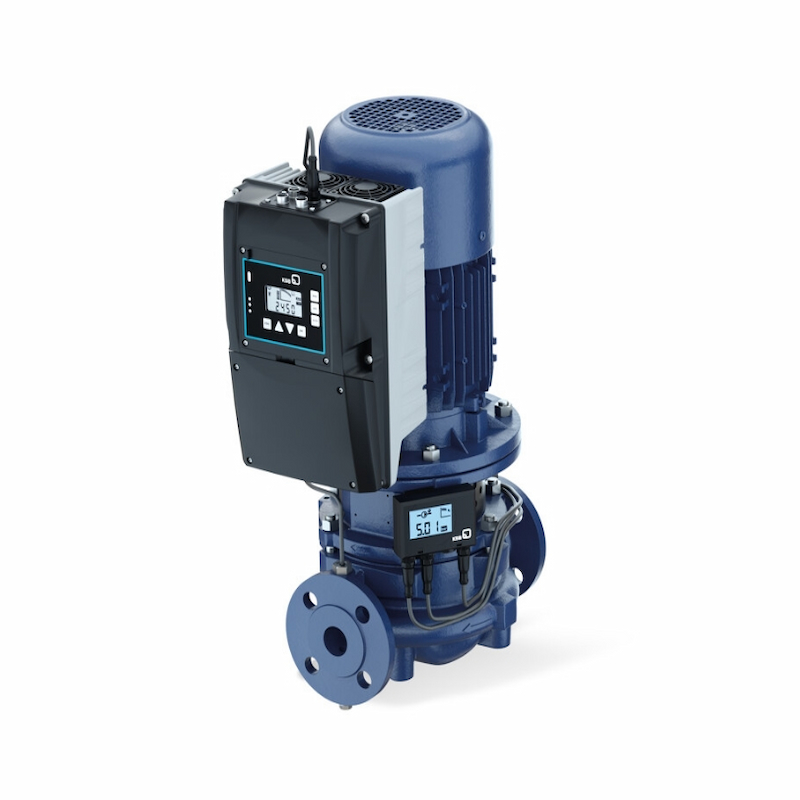
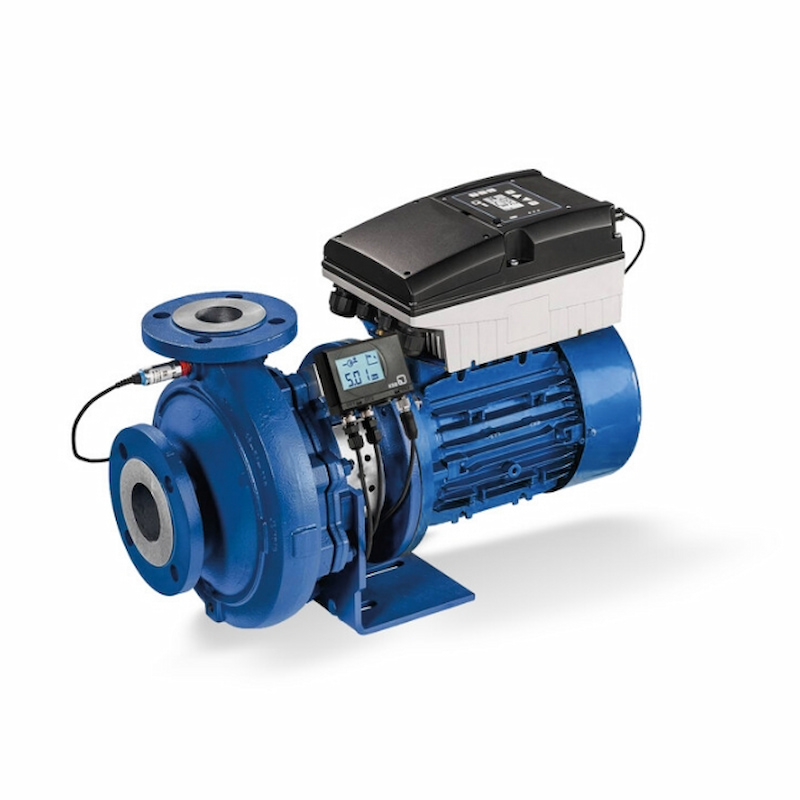
Air conditioning cooling pump

II. Working Principle of an Air Conditioning Pump

The working principle of an air conditioning pump is based on the basic principle of a centrifugal pump. When the motor drives the pump shaft to rotate, the impeller inside the pump rotates accordingly, generating centrifugal force. This centrifugal force draws coolant from the pump's inlet and pushes it toward the outlet, creating a continuous circulation flow. In this way, the coolant absorbs heat from the room and carries it to the outside for discharge, achieving the cooling effect of the air conditioner.


III. The Function of an Air Conditioning Pump in an Air Conditioning System

1. Circulation: The air conditioning pump is the power source for the circulation of coolant in the air conditioning system. It continuously transports coolant from the condenser to the evaporator and back to the condenser, ensuring continuous and efficient heat transfer within the system.

2. Refrigeration: In the evaporator, the coolant absorbs heat from the room and evaporates, achieving a cooling effect. The air conditioning pump ensures unimpeded flow of coolant in the evaporator, enabling the cooling process to proceed smoothly.

3. Energy Saving: The design and optimization of the air conditioning pump is crucial to improving the energy efficiency of the air conditioning system. Through reasonable pump speed control and design optimization, energy consumption can be reduced and the overall efficiency of the system can be improved.

Central air conditioning water pump

IV. Air Conditioning Pump Selection and Maintenance

When selecting an air conditioning pump, it's important to consider parameters such as system size, flow rate, and head to ensure the pump meets system requirements. Regular maintenance and servicing are also crucial for long-term, stable operation of the air conditioning pump. This includes cleaning the pump body, inspecting seals, and replacing worn parts, all of which can extend the pump's lifespan and improve system reliability.


What is the function of an air conditioning pump? As an integral component of the air conditioning system, the importance of the air conditioning pump is self-evident. A thorough understanding of the operating principles and functions of the air conditioning pump not only helps us better understand and use the air conditioning system but also provides strong support for routine maintenance and servicing. In the future, with the continuous advancement of technology, the performance and efficiency of air conditioning pumps will continue to improve, bringing greater convenience and comfort to our lives. Shanghai Sanli Pump Industry (Group) Co., Ltd. is a technology-based enterprise specializing in the research and development, manufacturing, installation, and commissioning of secondary water supply equipment. We provide customers with cost-effective automatic water supply equipment specifically designed for high-rise buildings, suitable for residential areas of varying sizes and floor levels. The company specializes in the production and operation of variable frequency constant pressure water supply equipment, constant pressure water supply equipment, non-negative pressure variable frequency water supply equipment, secondary water supply equipment, box-type non-negative pressure pump stations, fire-fighting equipment, sewage pumps, water tanks, and pipeline clean water pumps. It is a high-quality non-negative pressure water supply equipment manufacturer.

The Future of Warehousing How Lithium-Powered VNA Forklifts Are Changing the Game

The logistics and warehousing industry is evolving rapidly, with efficiency, space optimization, and sustainability taking center stage. One of the most significant advancements in material handling is the rise of Very Narrow Aisle (VNA) forklifts, especially those powered by lithium-ion batteries.

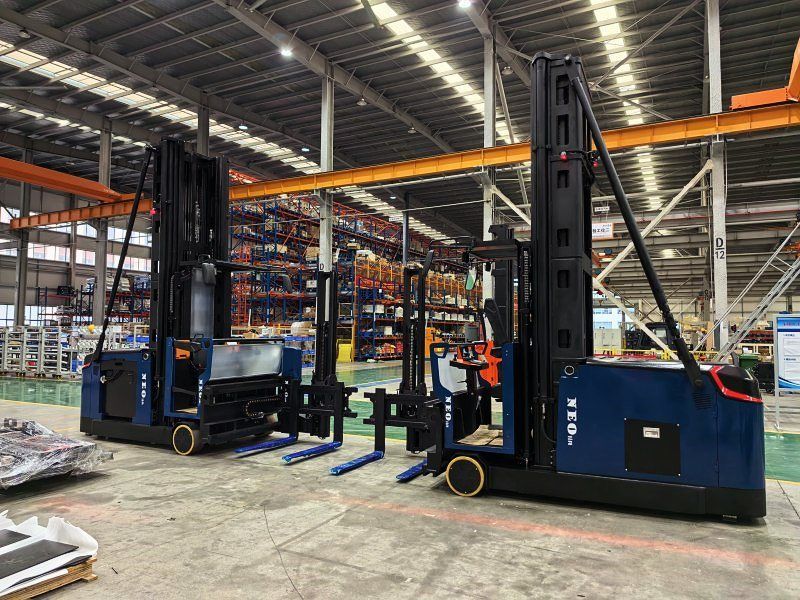
NEOlift Man up forklift

Why Lithium-Powered VNA Forklifts?

Traditional forklifts often rely on lead-acid batteries, which require frequent maintenance, long charging times, and have a shorter lifespan. In contrast, lithium-powered VNA forklifts—like the 1.6-ton, 10-meter lifting height models with 80V 600Ah batteries—offer:
✔ Fast charging – No battery swapping needed; opportunity charging keeps operations running.
✔ Longer lifespan – Up to 3x the cycles of lead-acid batteries.
✔ Zero emissions – Ideal for indoor warehouses and eco-conscious businesses.
✔ Lower maintenance – No watering, equalizing, or acid leaks.

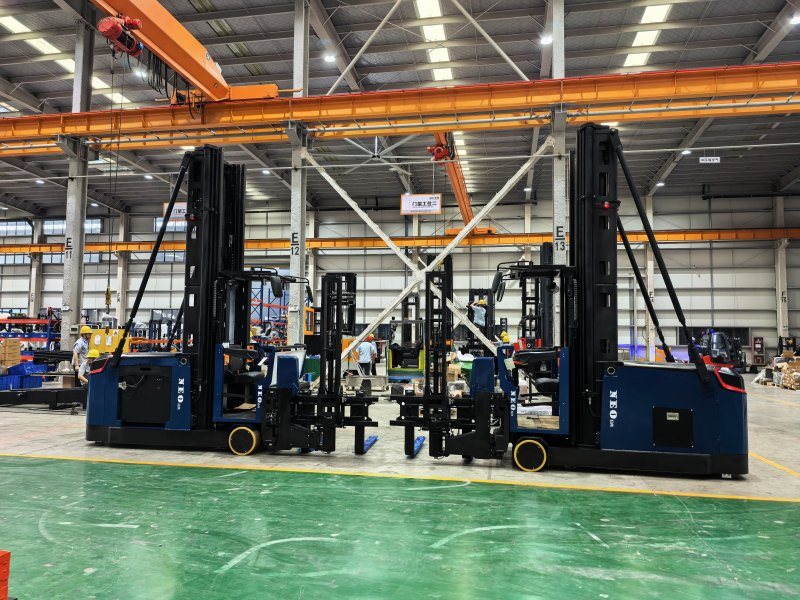
NEOlift Man up forklift

Perfect for High-Density Warehousing

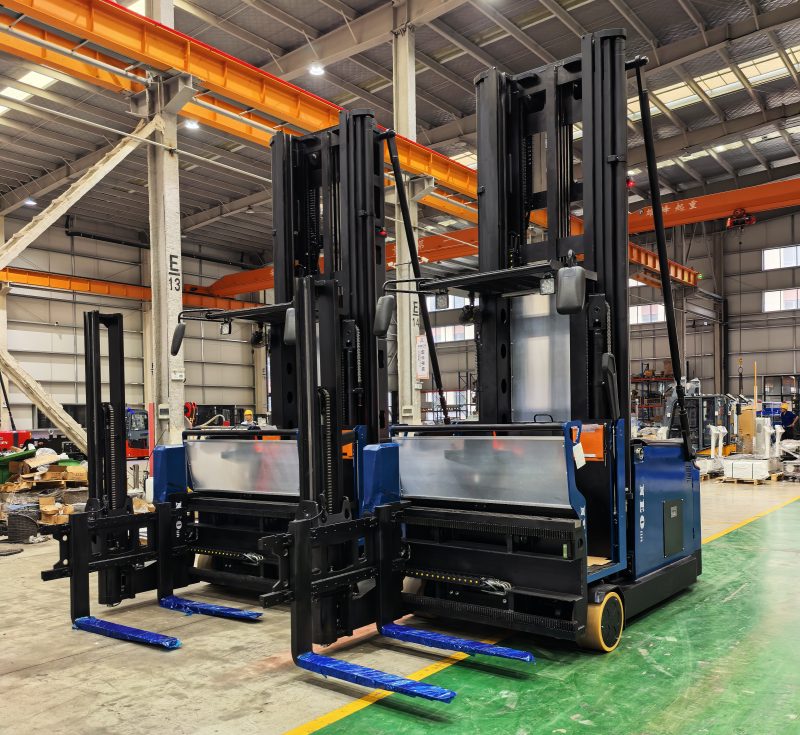
VNA forklifts are designed to operate in tight spaces, maximizing storage capacity. When combined with lithium power, they become an unbeatable solution for large logistics companies—like the leading Middle Eastern firm that recently integrated these forklifts into their operations.

NEOlift Man up forklift

The Takeaway

As warehouses strive for higher efficiency and greener operations, lithium-powered VNA forklifts are becoming the gold standard. Is your business ready for the upgrade?


How Do Diesel Generators Work and Where Are They Used Most?

You’ve probably come across a industrial diesel generators before, even if you didn’t realize it at the time. That low, constant hum near a hospital during a blackout, or that chunky machine on a construction site powering everything from drills to floodlights? Yep, that’s likely a diesel genset. But how do they actually work? And why are they still everywhere—even in the age of solar panels and lithium batteries?

Let’s take a closer look, and keep it simple.

So, How Do Diesel Generators Actually Work?

Okay, think of a diesel generator as a combo: one part is the engine (which burns diesel fuel), and the other part is the alternator (which turns movement into electricity). When the engine runs, it spins a shaft—this movement gets passed into the alternator, which uses magnetic fields to create electric current.

Sounds kind of magical, but it’s just physics doing its thing.

Now, the process begins with air being compressed inside the engine cylinder. When diesel fuel is sprayed in, it ignites from the heat caused by compression alone—no spark plug necessary. This tiny explosion pushes the piston down, which, in turn, rotates a crankshaft.

That’s the mechanical part done.

From there, the alternator—basically a big electromagnetic rotor—spins and produces electricity. The result? Usable power that can light up a building, run heavy tools, or even keep a data center going.

But... Why Diesel? Isn’t That Dirty?

It’s true that diesel isn’t the cleanest energy source, and that topic gets a lot of attention lately. But here’s the thing: diesel engines are really efficient. They can run longer on the same amount of fuel compared to gasoline engines, especially under high loads. They also last longer, generally speaking.

Plus, modern diesel gensets are getting cleaner. Emission standards are tighter now. Some units even include filters or tech that helps reduce particulate matter and NOx.

So yeah, not perfect—but reliable, which is sometimes more important, especially during emergencies.

Where Do People Use Diesel Generators Most Often?

I’ve seen these machines in more places than I can count. And their uses go far beyond just backup power. Here’s a breakdown—though this list isn’t exhaustive, of course.

Hospitals

Let’s start here because it’s critical. When the power goes out, life-support equipment can’t stop for even a minute. Most hospitals have big diesel gensets in their basements or rooftops. The second the grid fails, these fire up automatically. Pretty impressive.

Construction Sites

Until a building gets connected to the power grid, workers still need electricity—for cranes, mixers, lighting, and more. Diesel gensets are portable and powerful enough to handle all that.

Data Centers

Ever heard of “uptime guarantees”? Data centers live and die by them. If the grid drops, backup diesel-powered generator kick in to avoid costly downtime and potential data loss. They may test-run weekly just to stay ready.

Rural or Remote Areas

In places where power infrastructure doesn’t reach—or is too unstable—diesel becomes the main power source, not just a backup. I’ve seen small clinics, remote schools, even farms that rely entirely on generators for daily needs.

Outdoor Events & Festivals

From weddings in vineyards to three-day music festivals in open fields, everything runs on generators. Lighting, food stalls, sound systems—you name it.

Despite the rise of cleaner alternatives, silent diesel generator remain a core part of our energy backup infrastructure. The newer ones are quieter, more efficient, and better for the environment than their predecessors.

They might not be the future forever—but they’re absolutely essential for now.

How Silent Generators Keep Ghana's Production Lines Running During Power Disruptions

Ghana’s industrial heartbeat thrives on reliable energy. Yet grid instability remains a critical challenge, costing manufacturers productivity and revenue. When one of Accra’s leading metal fabrication plants faced escalating downtime, they turned to Besten. We didn’t just deliver a generator – we engineered resilience. This is how a ​500kW silent-type diesel generator​ with a robust ​Weichai engine​ became their operational lifeline, proving that intelligent power solutions can transform Africa’s industrial landscape.


The Reliability Equation: Beyond Basic Power

Traditional generators often fail Africa’s unique demands. Humidity corrodes components. Noise regulations restrict urban deployment. Intermittent operations strain engines. Our Ghana client needed more than kilowatts – they needed ​predictability.


Besten’s solution combined three key pillars:

1.Weichai Engine Durability: Tier 3-compliant technology optimized for high-ambient performance and 30% lower fuel consumption than older models.

2.Silent Operations: 75 dB(A) soundproofing allowed installation 100m from residential zones – impossible with standard generators.

3.Seamless Integration: Auto-transfer switches synchronized with existing systems, eliminating even 5-second interruptions during grid failure.


Why Silence Matters: Industry Meets Community

Africa’s industrial corridors often border communities. Noise pollution strains relationships and triggers shutdowns. Besten’s acoustic canopy technology ensured compliance with Ghana’s EPA standards while protecting social license to operate. The difference was tangible:

1.Plant workers could communicate without shouting

2.Nearby schools reported no disruptions

3.Vibration dampeners prevented structural resonance

This reinforced a vital truth: sustainable industry requires solutions respecting both production lines and neighborhoods. 


The Weichai Advantage in High-Stakes Scenarios

When the generator faced its ultimate test – an 11-hour grid failure during peak production – the Weichai engine delivered flawless performance. Engineered for continuous duty cycles, it maintained voltage stability within 0.5% variance under full 500kW load. Remote monitoring sensors gave engineers real-time diagnostics, preventing 3 potential issues before escalation. Post-event analysis showed zero derating despite 37°C heat – critical for African installations where temperature derating typically reduces usable capacity by 15-20%.

As Besten ships solutions from Nigeria to Mozambique, we’re standardizing features proven in Ghana: locally adaptable engineering, full-scope logistics, and partnerships with tier-one engine suppliers like Weichai. Because empowering Africa’s factories strengthens its economic sovereignty – one silent, reliable kilowatt at a time.


How Tire Recycling Lines Power a Rubber Revolution

Discarded tires pose a massive global challenge, contributing to fire risks, health hazards, and landfill overflow. Fortunately, advanced ​Tire Recycling Lines​ offer a powerful solution, transforming these end-of-life burdens into valuable resources and driving a true circular economy.


The Journey: From Waste to Resource

Modern Tire Recycling Lines process tires through a precisely engineered sequence:

1.Primary Shredding:​​ Whole tires are fed into powerful shredders, equipped with heavy-duty ​hammers or shears, breaking them down into manageable fragments.

2.Steel Liberation:​​ Strong magnets efficiently extract embedded steel belts and bead wires. This recovered steel is sent for ​recycling.

3.Secondary Granulation:​​ The rubber shreds move to high-speed granulators ​that​ further reduce them into smaller rubber chips.

4.Fiber Separation:​​ Advanced separation systems meticulously remove leftover textile fibers, ​ensuring the purity of the rubber stream.

5.Crumb Production:​​ Specialized ​cracker mills​ shear and grind the chips down into versatile ​rubber crumb, ranging in size from coarse granules to fine powder.

6.Final Refinement:​​ Sophisticated screening and separation techniques ensure the crumb is contaminant-free and optimized for its ​next application.


The Value of Recycled Rubber​

Ground Rubber:​​ Widely used as safe, shock-absorbing infill for ​artificial turf sports fields​ and ​playgrounds, and in durable ​rubber tiles​ or ​paving. It's also a key component in ​rubberized asphalt, creating quieter, longer-lasting roads.

Manufacturing:​​ Crumb finds its way back into ​new molded rubber products​ and even ​industrial components, reducing the need for virgin materials.


Why Recycling Matters

Tire recycling lines deliver significant benefits:

​Environmental Protection:​​ Diverts tires from landfills, prevents fire hazards, and reduces mosquito breeding grounds.

​Resource Conservation:​​ Recovers valuable steel and high-quality rubber, saving raw materials and energy compared to producing new materials.

​Economic Opportunity:​​ Creates jobs and provides industries with cost-effective, sustainable feedstock.


Conclusion​

Tire recycling lines are essential technological solutions for tackling the global tire waste crisis. By efficiently recovering steel and transforming rubber into versatile crumb, they convert a significant environmental burden into valuable commodities. ​This process truly gives tires a productive and sustainable second life, powering everything from safer playgrounds to longer-lasting roads.​​ It's a powerful testament to innovation enabling a more circular future.

The Remarkable Recycling Journey of Aluminum Cans

Since their invention in 1959, aluminum cans have revolutionized packaging with their strength, affordability, lightweight design, and aesthetic appeal. Today, they are ubiquitous across industries—from beverages to cosmetics. But what truly sets them apart is their extraordinary recyclability. Recycling aluminum cans isn’t just eco-friendly; it’s a powerhouse of efficiency. For example, recycling one ton of aluminum saves ​14,700 kg of CO₂ emissions​ and uses only ​4.86% of the energy​ required to produce new aluminum. Let’s break down how this process works and why it matters.


Step-by-Step Recycling Process

1.Crushing:
Used cans are first crushed to break down their original shape. This step prepares them for paint removal and increases surface area for efficient melting.

2.Paint Removal:

Crushed cans enter a de-painting kiln, where high temperatures (or chemical agents) strip away paint, glue, and coatings. This prevents toxic fumes during melting and ensures pure aluminum output.

3.Compacting:

Thin, crushed cans are compressed into dense bales. This reduces surface area, minimizing oxidation and metal loss during melting. A single bale can weigh over 500 kg.

4.Smelting:

Bales are melted in furnaces at ​700–750°C, transforming into molten aluminum. Impurities are skimmed off, and alloys (e.g., magnesium or copper) may be added to meet product specifications.


5 Key Uses for Recycled Aluminum Cans

1.Aluminum Ingots:

Smelted aluminum is cast into ingots, resembling "cooked aluminum." These serve as raw material for new cans or other products, reducing reliance on mined bauxite.

2.Alloy Production:

Recycled aluminum is blended into alloys like ​5052 (can lids)​​ or ​5182 (pull tabs)​. Its high magnesium content makes it ideal for strong, corrosion-resistant alloys.

3.Mixed Aluminum Ingots:

Lower-grade scrap aluminum is combined with recycled cans to produce hybrid ingots for non-critical components like automotive parts.

4.Steel Deoxidizers:

Aluminum powder from cans removes oxygen during steel production, improving metal purity and reducing defects in final products.

5.Low-Grade Aluminum Powder:

Decoated cans are processed into powder for fireworks, paints, or construction materials.


Conclusion: Small Can, Big Impact

Aluminum cans are the superheroes of recycling—infinitely reusable without quality loss. By tossing cans into the recycling bin, we power a cycle where waste becomes resources, emissions plummet, and packaging stays sustainable.


USTEU Investment, construction and operation, applicable in multiple scenarios

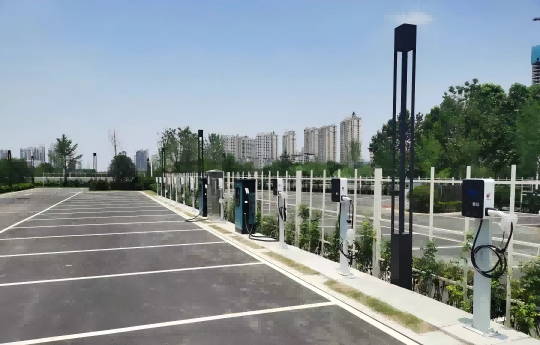
With the rapid development of the new energy vehicle industry, the demand for charging piles is growing. Whether it is a shopping mall, a community or a charging station, efficient and reliable charging equipment is indispensable. Today, we would like to introduce to you a smart charging pile designed for the investment, construction and operation of charging stations - the Keda Nengtong 7kW operating AC charging pile.


USTEU Investment, construction and operation, applicable in multiple scenarios


1. Shopping malls

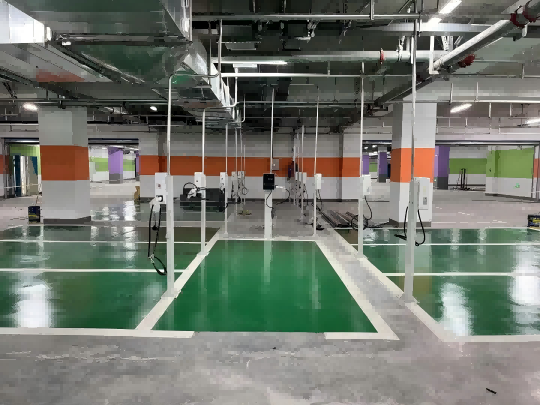
Introducing USTEU AC charging piles in the shopping mall parking lot to provide charging convenience for customers. While customers are shopping and enjoying food, their vehicles can also be charged simultaneously. Achieving seamless connection between parking and charging saves customers’ time, improves the comprehensive service level of the shopping mall, and can effectively drive customer flow growth and promote consumption vitality.


2. Community

Installing USTEU AC charging piles in the community can meet the daily charging needs of owners and solve the problem of charging electric vehicles. It can improve the level of community supporting facilities and enhance owner satisfaction.

3. Office Parks

Installing charging piles in office parks can provide convenient charging services for employees, solve the charging problem of commuting electric vehicles, improve employee happiness, and also attract more companies to settle in.


4. Tourist attractions

Installing USTEU charging piles in parking lots of tourist attractions can provide charging services for electric vehicle users who drive themselves, improve the service level of the scenic area, and attract more tourists.


Disposable paper tableware influence

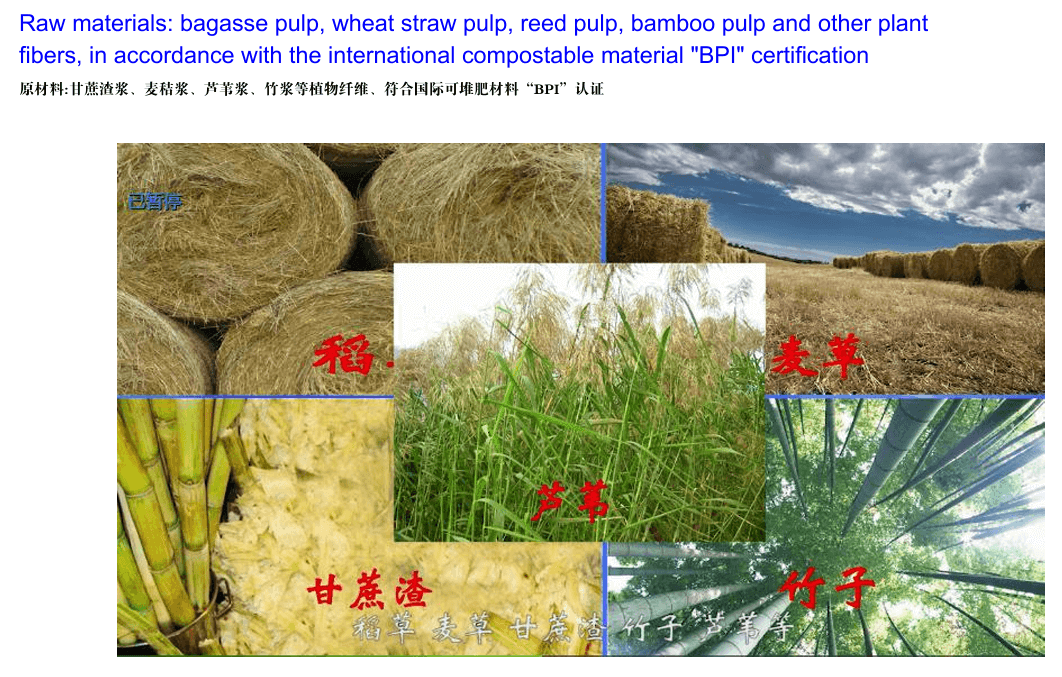
Xiamen Yongcheng Equipment CO.,LTD is professional for disposable degradebale products.

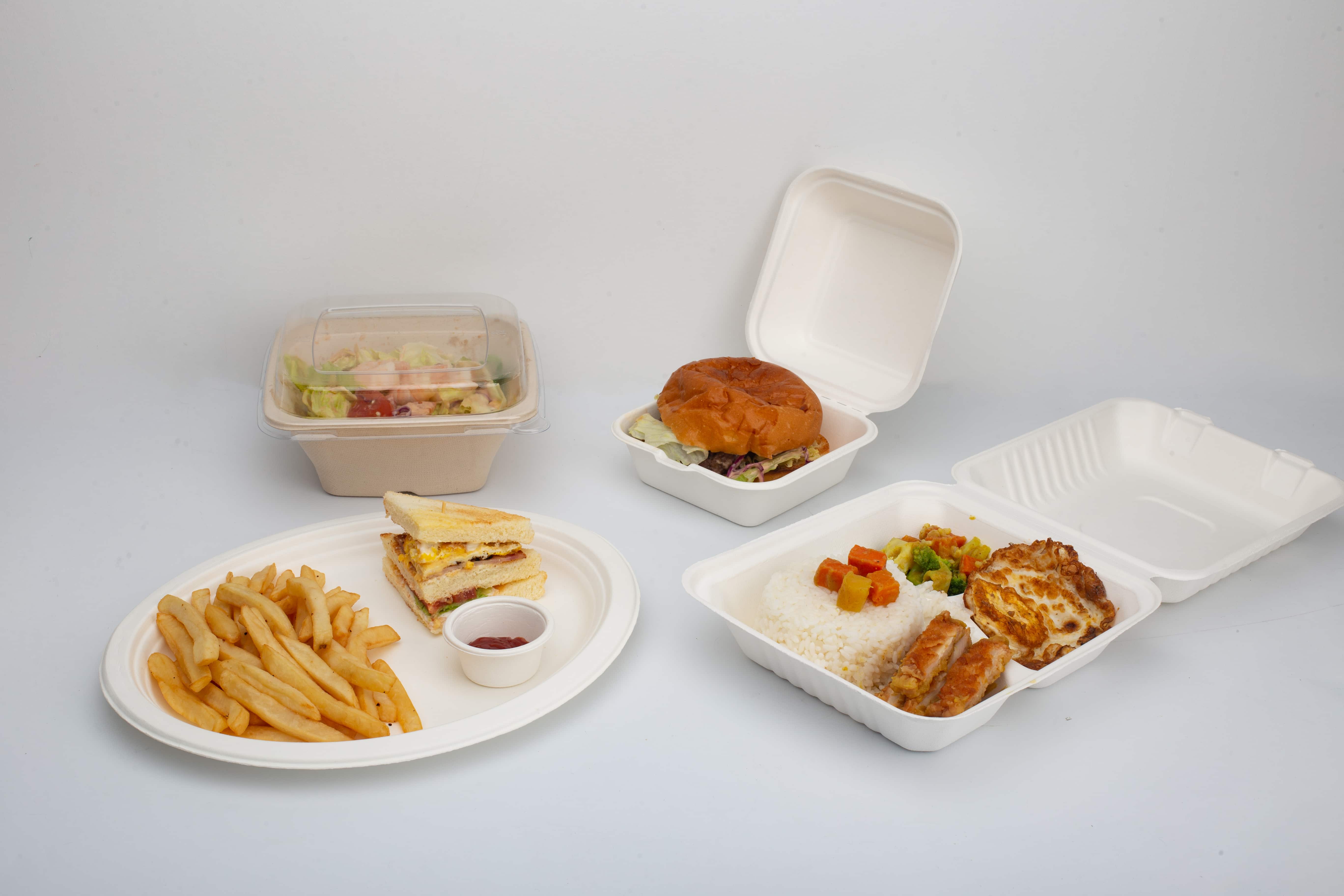
And it affect our life .Paper cups,paper bowl ,paper pulp food container..

Introducing our revolutionary Disposable Paper Tableware - the perfect combination of convenience and sustainability!

Say goodbye to traditional tableware and hello to a more eco-friendly option that only makes your life easier but also helps protect the environment. Our Disposable Paper Tableware is not just a trend, it's a lifestyle choice that will have a positive impact on the world around us.

From stylish paper plates to durable paper cups, our range of disposable tableware is designed to meet all your needs. Whether you're hosting a party, enjoying a picnic in the park, or simply looking for an easy clean-up solution, our products are here to make your life simpler and more convenient.

Ditch the hassle of washing dishes and switch to our Disposable Paper Tableware today. Join the movement towards a greener future and experience the benefits for yourself. Make a statement with your choice and show the world that you care about both style and sustainability. Choose our Disposable Paper Tableware and let it function on life in the most efficient and impactful way possible.