Introduction to Digital Tearing Tester
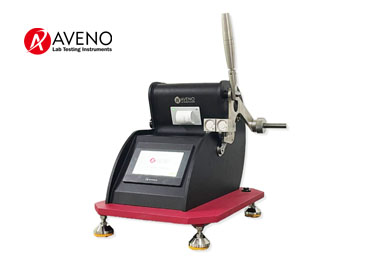
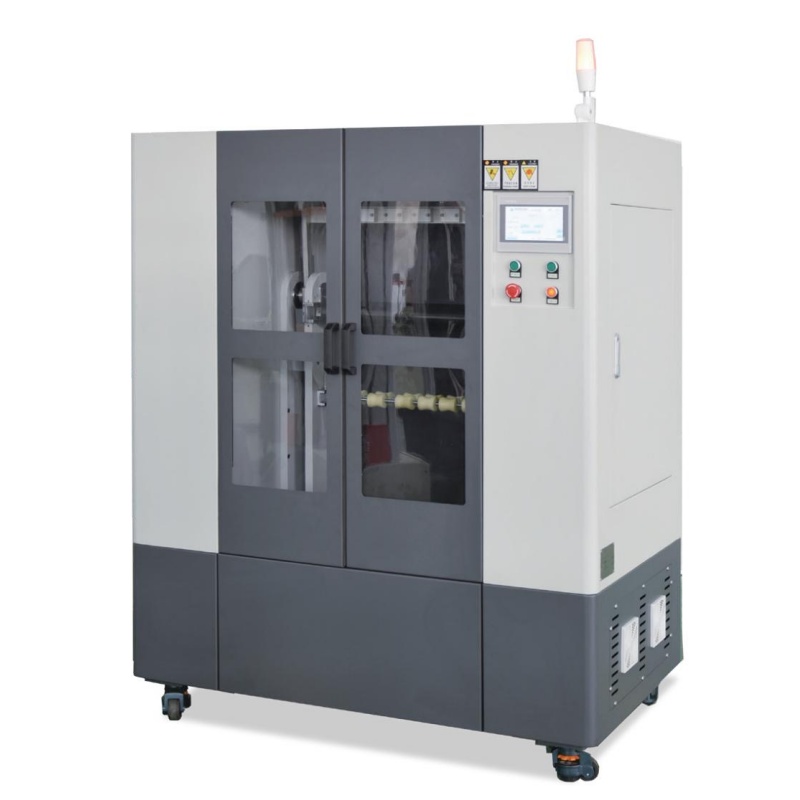
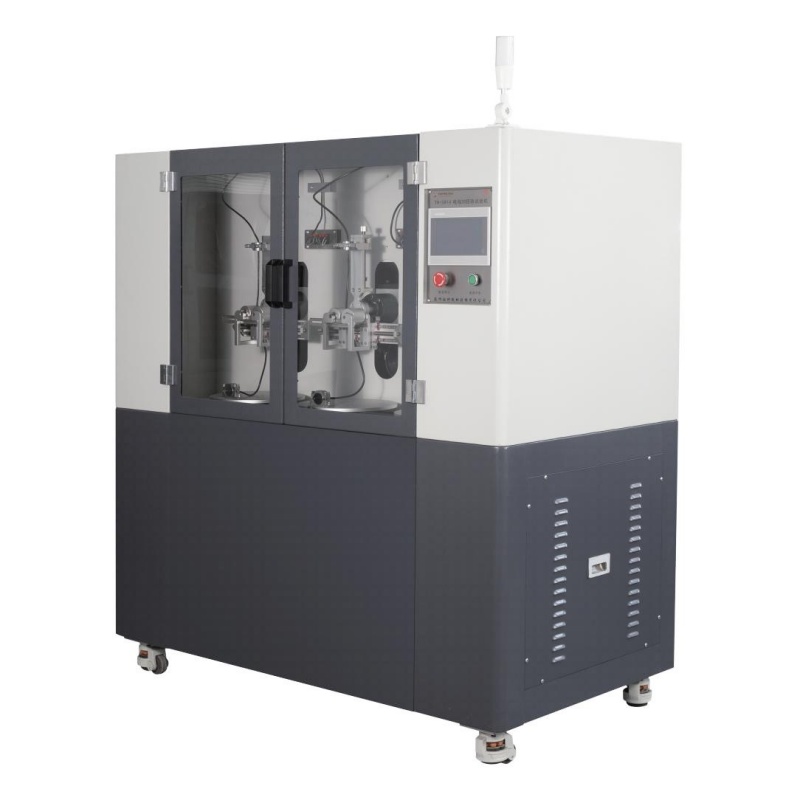
The Digital Tearing Tester is a precision instrument used to measure the tear strength of various materials. It uses advanced electronic technology and precise sensors to accurately measure the tear strength of various materials. It is widely used in many industries such as textiles, leather, plastics, paper, etc. It aims to accurately quantify the resistance of materials under tearing force, and provide key data support for product quality control, material performance research and production process optimization.
Fabric Tearing Testing machine has a wide range of applications.
- In the textile industry, it can test the tear resistance of textiles and non-woven fabrics to provide data support for product durability.
- In the packaging industry, it can be used to test the tear resistance of packaging materials such as plastic film, paper, and cardboard to ensure that the packaging is not easily damaged during transportation and use, thereby protecting product safety.
- In the rubber, plastic, leather and other industries, it also plays an important role in helping companies control product quality and improve product performance.
The Digital Elmendorf Tearing Tester has many advantages, such as color touch screen display, pneumatic clamping of samples, automatic shearing incision, automatic release of pendulum, etc. The instrument can automatically detect and analyze data, and can be configured with computer software for online testing. This instrument has the characteristics of high test accuracy, high degree of automation, powerful functions, reliable performance, and simple operation.
Elmendorf Tearing Strength Tester, with its high precision, easy operation and multi-function, has become a powerful assistant for material tearing performance testing in many industries, making important contributions to improving product quality and promoting industry development.
AVENO recommended product:
Any demand can be referred to us!
Sales Dept Tel: +86 15280858852
Email: sales@avenotester.com
Skype: sales@avenotester.com
Web: www.avenotester.com
The color guardian of the textile industry
Gas Fume Chamber plays an indispensable role in the production and quality control of textiles. As people's requirements for textile quality continue to increase, the color fastness of textiles has become a key quality indicator. Gas Fume Chamber is a member of the guardian of textile quality assurance. So what is Gas Fume Chamber?
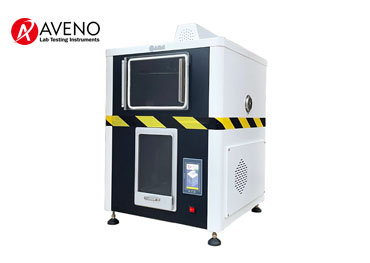
Gas Fume Chamber is mainly used to test the color change of textiles when they are exposed to atmospheric nitrogen oxides produced by gas combustion. It simulates the specific gas atmosphere that textiles may encounter in real environments to test their color stability.
How the Gas Fume Tester Works
The textile sample and the control standard sample are placed in the gas smoke at the same time, and the test ends when the color of the control standard sample changes to the color equivalent to the fading standard. The color change of the sample is evaluated using a gray sample card. If no color change of the sample is observed after one test cycle, the test cycle can be continued for a specified number of times or the number of test cycles required to produce the specified color change of the sample.
Through the Gas Fume Chamber test, manufacturers can understand in advance the color changes of textiles in a specific gas environment, so as to take corresponding measures to improve the production process, select suitable dyes and auxiliaries, so as to improve the color fastness of textiles and meet consumers' demand for high-quality textiles.
Standards Of Lab Gas Fume Chamber
AATCC 23, ISO 105 G02, BS EN ISO 105-G02
Although Gas Fume Chamber is only a small part of textile testing instruments, it plays a huge role in the textile industry. It is like a color guardian elf, silently guarding the color quality of textiles and bringing us more beautiful and durable textiles.
AVENO recommended product:
Any demand can be referred to us!
Sales Dept Tel: +86 15280858852
Email: sales@avenotester.com
Skype: sales@avenotester.com
Web: www.avenotester.com
Time Accelerator--UV Accelerated Weathering Tester
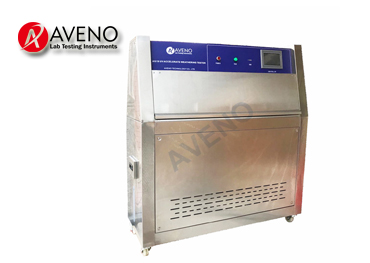
UV Accelerated Weathering Tester, like a "time accelerator", can give us insight into the aging test results of materials in long-term outdoor environments in a short period of time.
The working principle of UV testing equipment simulates factors such as sunlight, rain, and dew in the natural environment. It uses special fluorescent UV lamps to accurately simulate ultraviolet radiation in sunlight, allowing the material to be exposed to high-intensity UV radiation. At the same time, through the condensation humidity and water spray system, it simulates the erosion of dew and rain on the material. Under the alternating cycle of UV light, controlled humidity and high temperature environment, the material undergoes the test of long-term exposure outdoors. The aging phenomenon that may take months or even years to appear may appear within a few days or weeks. It is widely used in the selection of new materials, the improvement of existing materials, and the evaluation of changes in material formulations.
Advantages of UV Aging Testing Machine
1. Easy to operate: The device is equipped with an advanced control system and a simple user interface.
2. Accurate simulation: It can accurately simulate factors such as ultraviolet rays, temperature, humidity, etc. in the natural environment, making the test results more reliable and repeatable.
3. Efficient testing: Compared with long-term aging tests of materials in the natural environment, the use of UV Accelerated Weathering Tester greatly shortens the test cycle, saving time and cost.
Many companies have achieved remarkable results with the help of UV Accelerated Weathering Tester. As an important tool for material aging testing, it provides strong support for product quality improvement and technological innovation in various industries. It allows us to understand the performance changes of materials in a long-term natural environment in a short period of time, so as to take measures in advance to optimize product design and production processes.
AVENO recommended product:
UV Accelerated Weathering Tester AG19
Any demand can be referred to us!
Sales Dept Tel: +86 15280858852
Email: sales@avenotester.com
Skype: sales@avenotester.com
Web: www.avenotester.com
What is the Solution of IS 17636-2021 Bunk Beds
Bunk beds are widely used products in residential homes, hostels, and dormitories due to the space-saving design of beds. Bunk beds are an important segment in the furniture industry; hence, the safety and sturdiness of the bunk bed are very crucial. The standard aims to ensure that bunk beds are safe, durable, and comfortable for use, particularly for children and adults, by specifying the necessary construction practices, material quality, and safety features.
Why IS 17636-2021 Is Important for Bunk Beds
This standard checks for things like:
- Load-bearing strength: Can the bed hold the right weight?
- Stability: Will it tip over if a child climbs up?
- Sharp edges: Are all edges smooth and safe?
- Guardrails: Are the side rails tall enough to stop someone from falling?
- Ladder design: Is the ladder safe and easy to climb?
Scope of IS 17636-2021
The Indian Standard IS 17636-2021 covers bunk beds’ safety and performance requirements, including:
- Strength, stability, and durability for both domestic and non-domestic use.
- Safety barriers for top beds to prevent falls.
- Design specifications, including required gaps, bed base support, and ladder stability.
- Material testing for surface finishes, load-bearing capacity, and impact resistance.
What is The Solution of IS 17636-2021 Bunk Beds
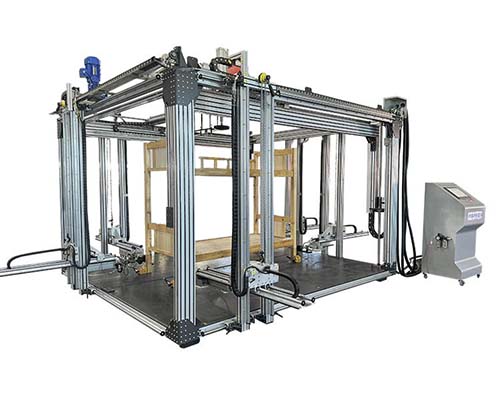
GESTER's Furniture Universal Testing Machine PLC control GT-LA10D conforms to IS 17636-2021.
Test Performance:
- Static Load of Safety Barriers
- Upwards and Downwards Static Load on Bed Base
- Impact Load of Bed Base
- Durability Test on Bed Base
- Durabllity Test of Frame and Fastenings
- Attachment and Deffection
- Vertical Static Load on Treads
- Durability of Treads
- STABILITY TEST
- Fastening of Upper Bed to Lower Bed
Furniture Universal Testing Machine PLC control GT-LA10D Feature
- 1. The Furniture Testing Machine adopts frame structure design. The frame is made of high quality industrial aluminum, beautiful and generous.
- 2.Up to 8 sets of loading cylinder installed, 5 sets in horizontal cylinders on each of the four sides, 2 sets of vertical cylinder and 1set of impact cylinder on top frame. All cylinders can be adjusted up and down, frontward and backward to cover all mounting surfaces. The 8 sets of cylinders can execute joint or independent operation.
- 3. The bottom fixed block is free to adjust the position to accommodate different specifications of the sample.
- 4. PLC +15 inch color touch screen to control the actions of the machine; the operation is intuitive and simple.
- 5. GESTER independent research and development unique design, adopting SMC electrical proportional valve control+cylinder drive mode way to greatly meet the international standards of force accuracy and test speed double requirements; high precision force sensor sense the force value immediately; each load group adjusts the control individually; the loading force is stable and reliable.
- 6. Removable loading pad, can easily change the different loading pad to meet the different test requirements.
Bunk beds are more than just a place to sleep. They must be safe, stable, and child-friendly. GESTER' Furniture Universal Testing Machine, Solution of IS 17636-2021 Bunk Beds, which significantly reduces the risk of accidents due to structural defects or material problems and enhances consumer trust.
PE film roll bag water packaging machine operation and maintenance manual
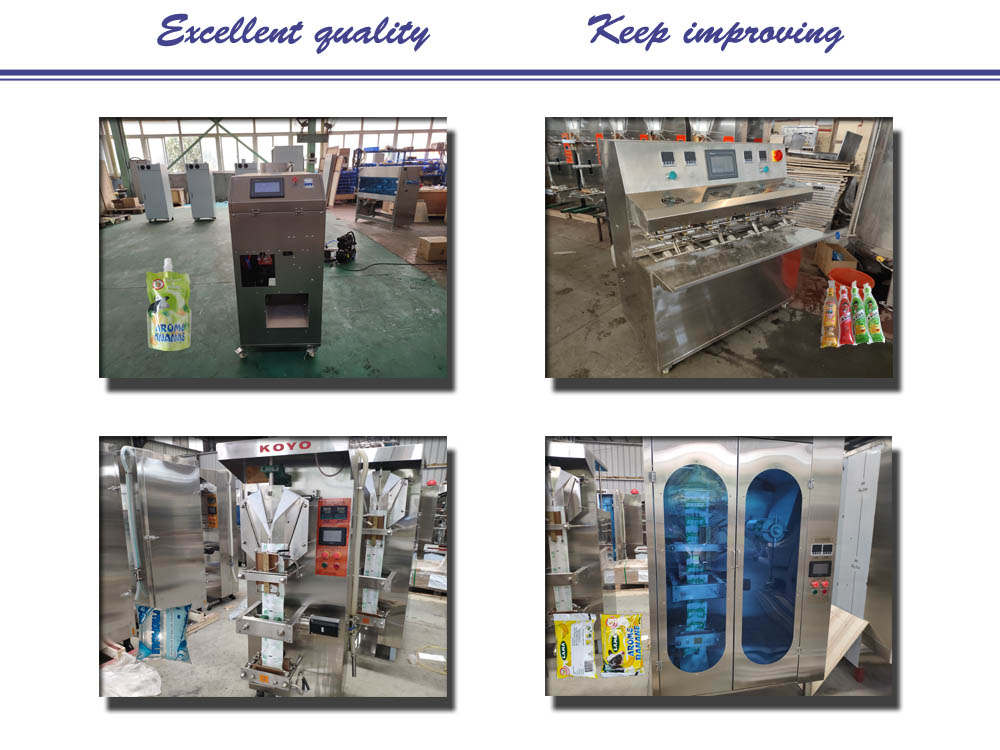
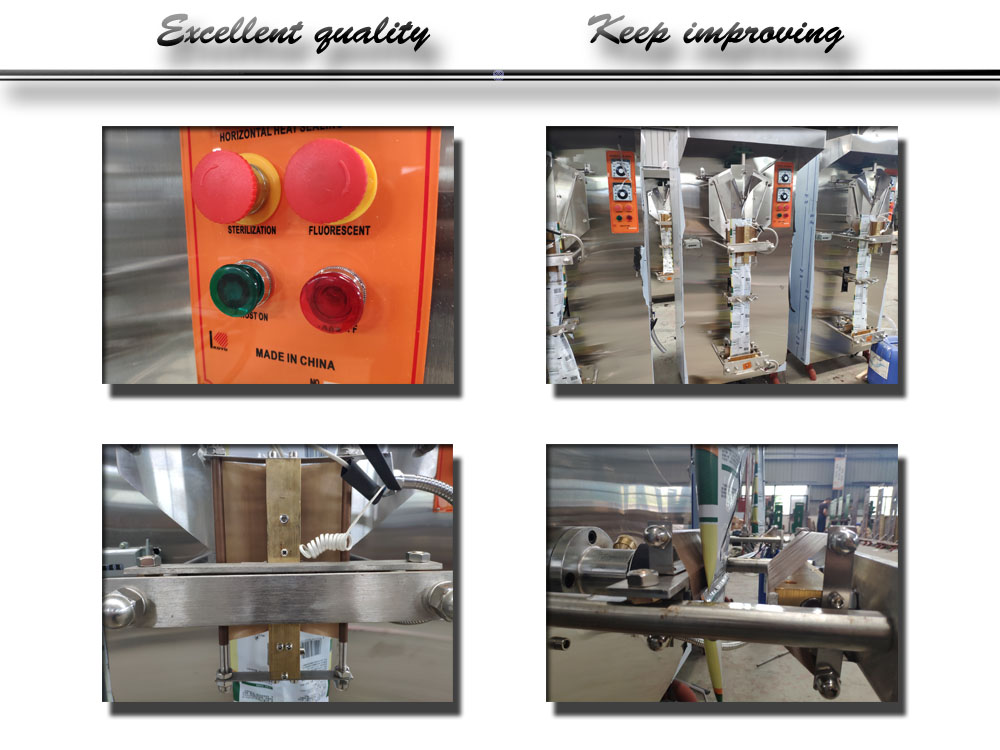
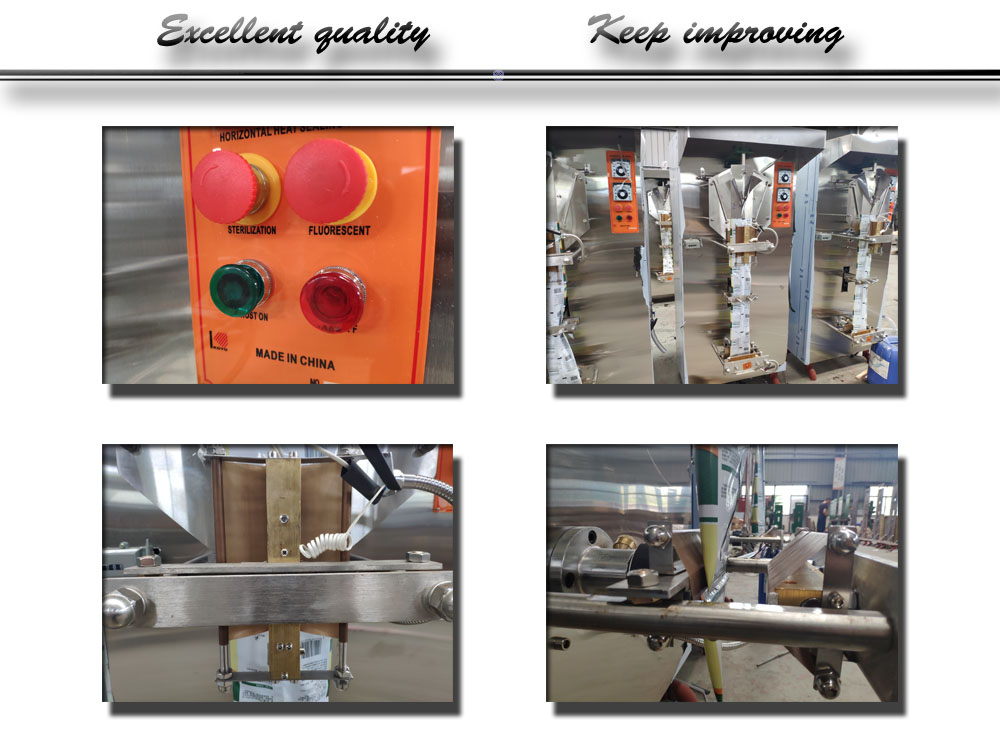
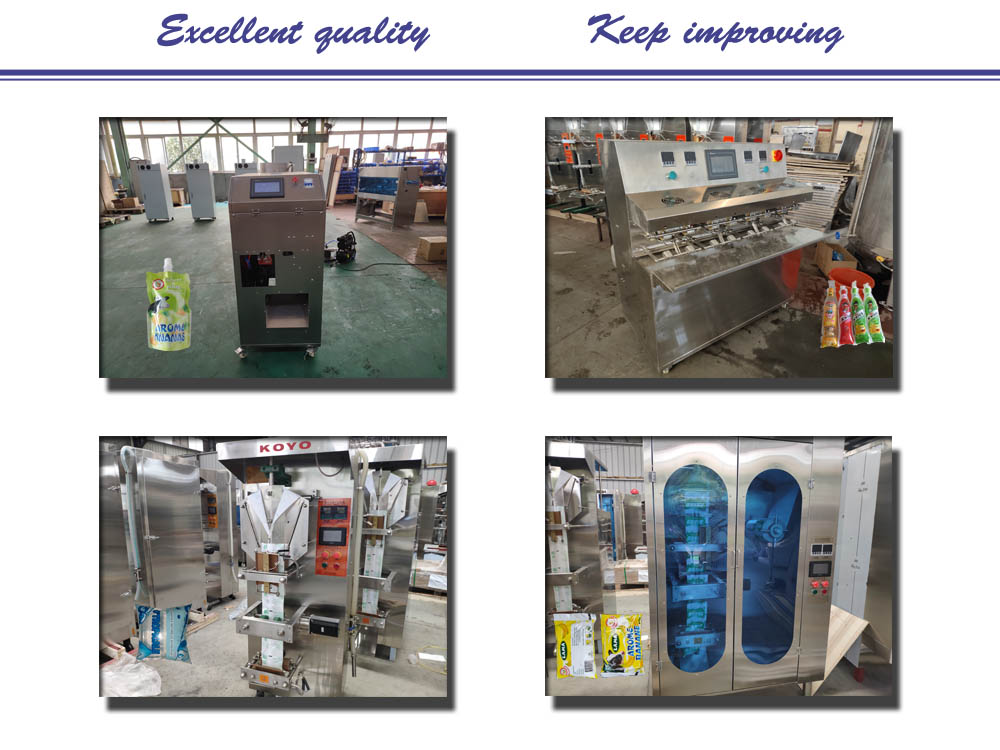
In today's fast-paced production environment, PE film roll bag water packaging machine has become a powerful assistant for many companies to improve production efficiency and ensure product quality. The following will focus on the production process, operation manual and simple maintenance tips of this machine.
Equipment production process
Liquid filling: The liquid filling system of the PE film roll bag water packaging machine is a key part. Water or other liquid products can usually be injected into the PE film roll bag by gravity drop or pumping.
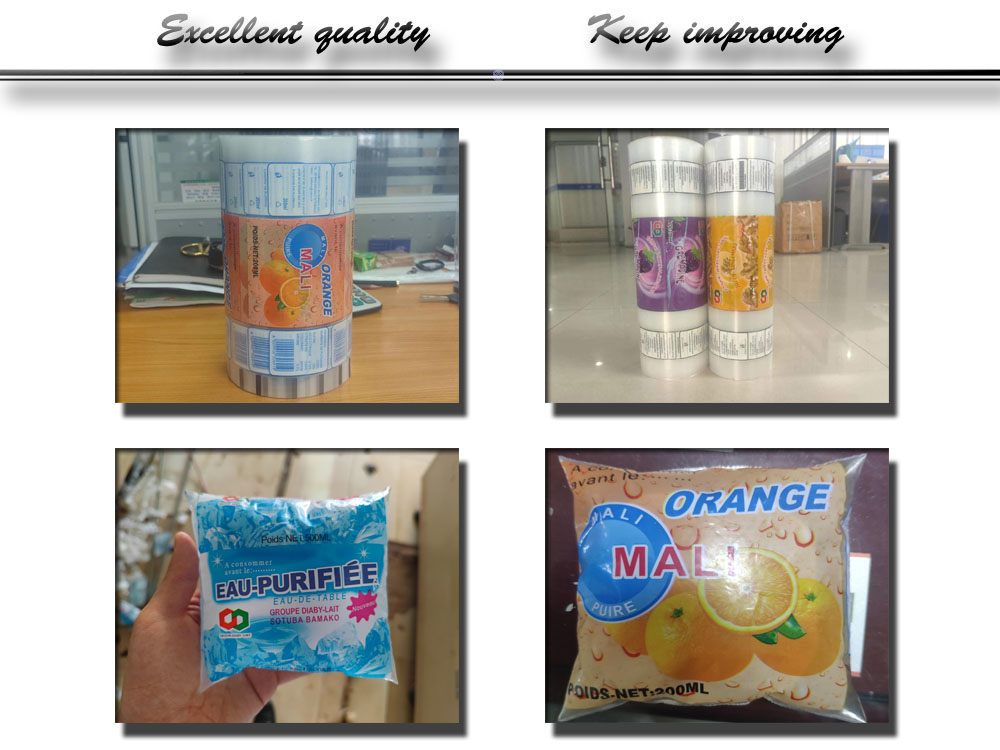
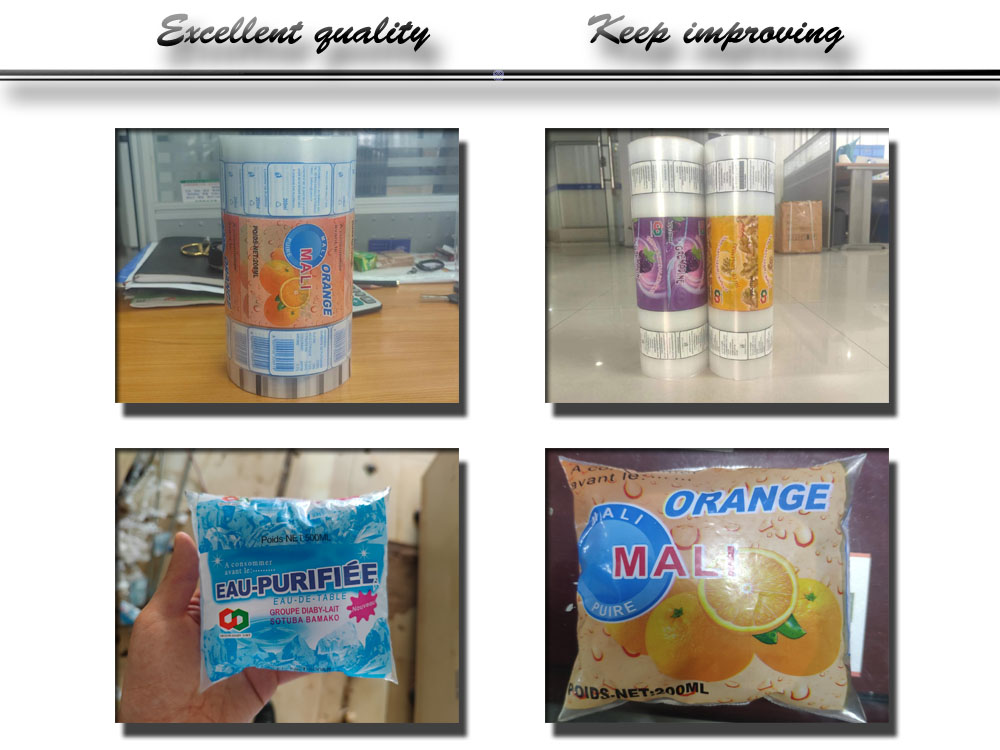
PE film roll supply: juice packaging machine is equipped with a special PE film roll supply device. The PE film roll material is placed in rolls. During the transmission process, the system will maintain a constant tension to avoid damage caused by excessive relaxation or tension of the film roll, ensuring that the film roll smoothly enters the bag making link, laying a good foundation for subsequent operations.
Bag making and sealing: When the PE film roll is delivered to the designated position, the bag making and sealing systems of the packaging machine begin to work together. First, the machine will cut the bottom of the roll film according to the preset size to form independent bag blanks. Then, the bag blank is turned into a three-dimensional bag through the middle seal. Then fill the liquid, and finally, use heat sealing technology to seal the bag mouth.

Operation Manual
Preparation before starting the machine: The operator needs to conduct a comprehensive inspection of the equipment, including whether all components are installed in place, whether the connection is firm, whether the power supply and air source are normal, etc. At the same time, according to the production plan, prepare the corresponding PE roll film materials and liquid products, and install the roll film correctly on the supply device to ensure that it can be unfolded smoothly. Check whether the parameter settings of the control system, such as filling volume, packaging speed, etc., meet the current production requirements, and make timely adjustments if there are deviations.
Start the equipment: After checking that everything is correct, press the start button and the packaging machine starts running. In the initial stage, the operator should closely observe the operating status of the equipment and pay attention to whether there are abnormal sounds, vibrations or liquid leakage. If there is any abnormality, the machine should be stopped immediately to investigate the cause, and production can only be continued after the fault is eliminated.

Maintenance Manual
Daily Cleaning: After each use, the dust, stains and residual liquid on the surface of the equipment should be cleaned in time. The surface and components of the machine can be wiped with a soft damp cloth. For some corners that are easy to hide dirt, such as the filling port and the sealing port, they should be cleaned carefully to prevent dirt accumulation from affecting the performance of the equipment and product quality.
Regular Lubrication: According to the requirements of the equipment manual, lubricate the rollers, gears and other parts of the conveyor belt regularly to reduce friction, reduce wear, and ensure the smoothness and reliability of the equipment operation. When lubricating, pay attention to the selection of suitable lubricants and add them according to the prescribed amount of oil to avoid excessive or insufficient oil.
Component Inspection and Replacement: Regularly check the wear of vulnerable parts, such as sealing rings, cutters, heat sealing components, etc. Once the parts are found to be worn, aged or damaged, they should be replaced in time to prevent the fault from expanding and affecting the production progress and product quality. .
Electrical System Maintenance: The electrical control system of the equipment should be inspected and maintained regularly. Check whether the wires and cables are damaged or aged, whether the terminals are loose, etc. Keep the inside of the electrical control cabinet clean to prevent dust and debris from entering and affecting the normal operation of electrical components.

The current situation and prospects of bagged water in Mali
In Mali, Africa, a water revolution is quietly taking place. Bag water, also known as "Eau-purifiée", is more than just a product; it meets one of the most basic human needs - clean drinking water. As the bag water market in Mali continues to grow, it is becoming increasingly clear that the Malian people are increasingly concerned about the safety of drinking water. In this blog, we will explore the reasons behind the booming bag water market in Mali and why its future prospects are so bright.
1. Growing consumer demand:
The demand for pure water in Mali has soared, and the demand for clean drinking water is growing not only in Mali, but also throughout Africa. Consumers are becoming more aware of the importance of safe drinking water to their health and are looking for convenient and affordable options. Bag water meets this need, providing a hygienic, portable way to replenish water that can be easily obtained even in remote areas.
2. Health and hygiene awareness:
As the education level of the Malian people continues to improve, more and more people are aware that polluted water can cause irreparable damage to their health. As a result, people are turning to clean drinking water, and bagged drinking water is very popular in Mali because it is considered safer drinking water. This has led to a surge in demand for bagged water, especially in urban areas where health awareness is growing.

3. Climate Change and Water Scarcity:
Mali is facing the harsh reality of climate change, which has led to water shortages in the country, and bagged water is essential to ensure that consumers have access to clean drinking water even in times of drought. This makes bagged water a necessity in the country.
4. Economic Growth and Urbanization:
As Mali's economy grows and urbanization progresses, the middle class continues to grow, and their demand for convenience and personal health is also growing. Bagged water meets these needs. It is not only safe, but also easy to transport and store.
5. Technological Advances:
Bagged water benefits from advances in equipment technology, which has improved production efficiency and reduced costs. Breakthroughs in packaging machinery and water treatment technology have improved the quality of bagged water, making it more attractive to consumers.

6. Support from the government and non-governmental organizations:
The Malian government also recognizes the importance of bagged water to health. They provide support by encouraging local water plants to produce clean bagged water in large quantities.
7. Market innovation:
Businesses in the bagged water industry need to meet the needs of consumers. This includes providing flavored water, water rich in essential minerals, and even increasingly popular bagged water for cooking.

Due to climate change and water shortages in Mali, coupled with the country's economic growth, consumers' demand for healthy diets continues to grow. This is also accompanied by a continued increase in demand for packaging equipment. The three machines developed by our company, sachet water making machine, water packaging machine, and koyo water sachet machine, are very popular in the African market. With the growing demand for clean and convenient drinking water, Mali's bagged water market has also ushered in development opportunities. And the bagged water equipment industry has also ushered in rapid development. The prospects for Mali's packaged water are not only promising, but with the support and continued investment of the government and local companies, Mali's packaged water market will become a model for other African countries facing similar water shortages.
Water treatment system maintenance tips
The industrial revolution has led to serious pollution of natural freshwater resources around the world, and water treatment machinery has become an indispensable link in providing clean and safe drinking water. These systems play a vital role in converting wastewater into drinking water, ensuring that people have access to healthy and pure drinking water. Given the importance of water treatment equipment in our daily lives, proper maintenance is essential to ensure its optimal performance and lifespan.

Regular cleaning and inspection
Regular cleaning of water treatment equipment is key to its efficient operation. Over time, contaminants and impurities can accumulate within the membrane, leading to reduced production efficiency and potential failure. It is recommended to develop a regular cleaning schedule. This may include disassembling certain components and using suitable cleaning agents to remove any scale buildup. In addition, inspecting the equipment for signs of wear, such as leaks or corrosion, can help prevent major problems. Prompt replacement of damaged parts will ensure the integrity of the entire water treatment process.
Water quality monitoring
Regular monitoring and testing of treated water quality is another important aspect of maintaining water treatment equipment. By regularly analyzing the output water, you can quickly identify any deviations from the expected water quality standards and take corrective measures in a timely manner. This not only ensures that the water is safe to drink, but also helps adjust the equipment settings for optimal performance.
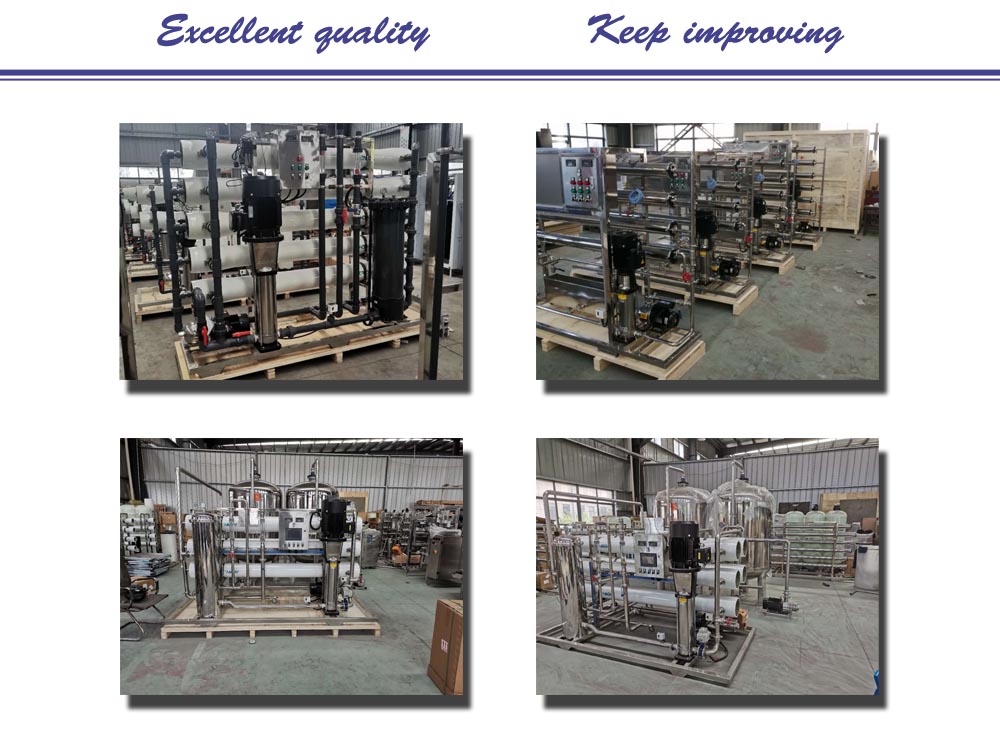
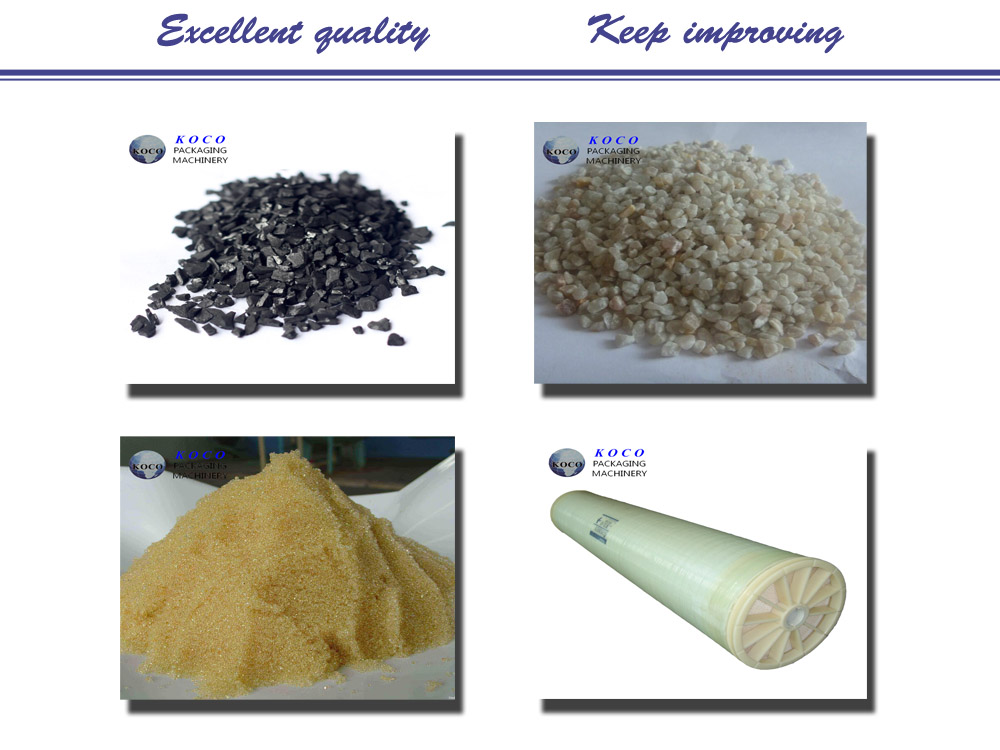
Water treatment equipment relies on activated carbon, quartz sand, resin, PP cotton membrane and reverse osmosis membrane to remove impurities from water. These materials have a limited lifespan and need to be replaced regularly. Monitoring water quality can help you determine when these filter materials have failed and need to be replaced.

Maintenance of reverse osmosis water system
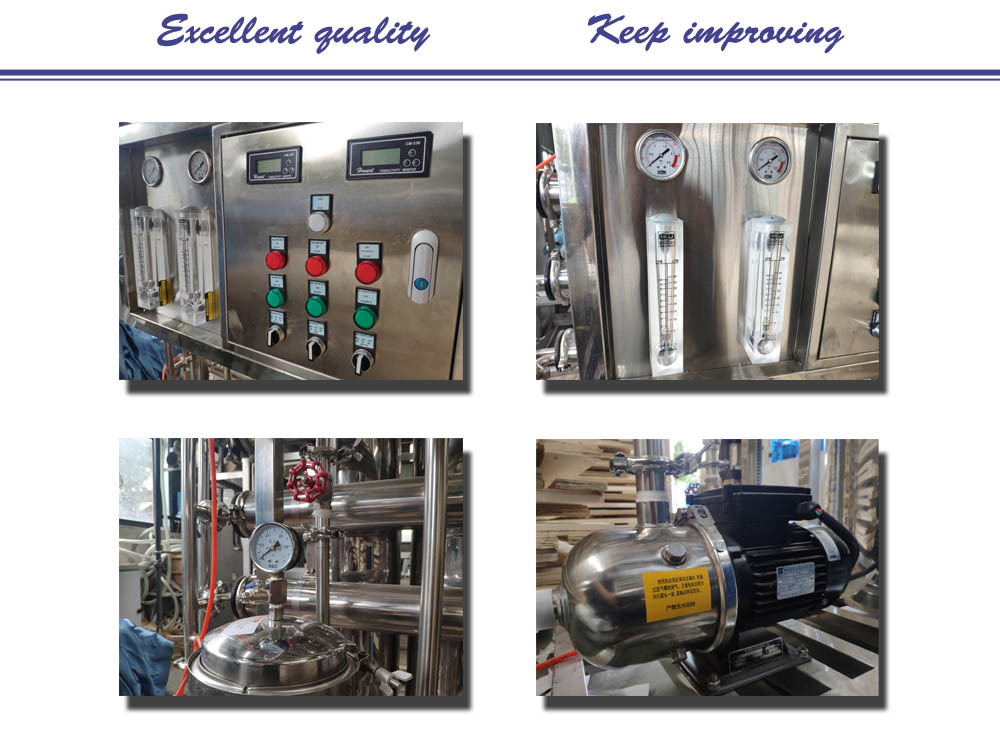
Reverse osmosis membranes are key components in many water treatment units and require special attention. Reverse osmosis membranes are prone to scaling and harboring microorganisms, which can seriously affect their performance. To extend the life of these membranes, it is critical to monitor the influent water quality and ensure that all pretreatment processes (activated carbon, quartz sand, resin filtration and PP cotton membrane filtration) are operating properly.Implementing a proper chemical dosing program to control scaling and microbial growth is also helpful. In addition, maintaining the correct operating pressure and flow rate helps prevent the membrane from being overstressed and ensures the continuous production of high-quality treated water. Regularly checking the pressure gauges and flow meters of the reverse osmosis system can help you detect any performance anomalies so that adjustments and maintenance can be made in a timely manner.
Preventive maintenance measures
Preventive maintenance is the key to avoiding unexpected downtime and expensive repairs. This includes scheduling regular maintenance checks by qualified technicians who can assess the condition of your water treatment equipment and identify potential problems before they become serious. During these checks, technicians can check electrical systems, test safety devices, and ensure that all components are operating as intended.Another important preventive measure is to keep proper records of all maintenance activities. These records should contain details of inspections, cleaning procedures, parts replacements, and any repairs that have been performed. Having this information at hand can help you track the maintenance history of your equipment and make informed decisions about future maintenance needs. It also provides valuable data for troubleshooting and is very useful when seeking warranty claims or manufacturer technical support.

All in all, with proper care, your water ro system can continue to be an indispensable tool in providing clean drinking water. By following these maintenance tips and keeping a close eye on the condition and performance of your water treatment equipment and reverse osmosis system, you can provide a healthier and more sustainable water supply for yourself and your community.
Testing equipment a tool to enhance the competitiveness of manufacturers
In the wire and cable industry, accurate and reliable quality testing is an important link to ensure product performance and safety. Tophung is an enterprise specializing in the production of wire and cable testing equipment, and has long served many cable companies at home and abroad to explore the quality testing solutions of cable products in an all-round way. In the wire and cable industry, our main products are: TH-5806 Cable Bending testing machine, TH-5807 Cable 2D torsion testing machine, TH-5812 Cable vertical torsion testing machine, TH-5813 Cable drag chain bending testing machine, TH-5814 Cable 3D torsion testing machine, etc., these machines can be obtained from different repeated experiments. Detects the cable's performance of plastic deformation and displays its own defects.
Our company offers wire and cable bending testing equipment with a variety of flexible functions and technologies, enabling manufacturers to achieve comprehensive quality control and product improvement. Here are a few highlights of our diverse testing:
1. Multi-angle bending test: Our equipment can simulate the use conditions of wire and cable at different angles, and ensure the reliability and durability of products through bending test at various angles. This helps manufacturers identify potential bending damage and failure points in advance to avoid subsequent problems caused by bending and improve product reliability and user satisfaction.
2. Accurate bending radius measurement: Our equipment uses advanced measuring technology to accurately measure the bending radius of wire and cable. By monitoring the change of bending radius, manufacturers can adjust the production process in time, and maintain consistent bending performance in the quality control process, to avoid product quality problems caused by too large or too small bending.
3. Dynamic bending simulation: Our equipment can simulate the dynamic bending of wire and cable in actual use. By conducting dynamic bending tests on products, manufacturers can better understand the performance of wire and cable under motion and vibration conditions, further optimize the structure and material of the product, and improve the reliability and durability of the product.
Our wire and cable bending testing equipment helps manufacturers to improve product quality, improve production efficiency and enhance market competitiveness. We are committed to providing the most advanced inspection solutions for the wire and cable industry, helping manufacturers achieve sustainable development and industry leadership.
Tophung - reliable production equipment manufacturers!
The Indispensable Role of Multihead Weighers in the Food Industry
In the fast-paced and highly competitive food industry, precision, efficiency, and quality are non-negotiable. Multihead weighers have emerged as a cornerstone technology, playing a crucial role in shaping the modern food production landscape. Their impact extends across various aspects of food manufacturing, packaging, and distribution, making them an essential asset for businesses aiming to thrive in this dynamic sector.
1. Unparalleled Precision for Consistent Product Quality
One of the most significant contributions of multihead weighers to the food industry is their ability to achieve unparalleled precision in weighing. In food production, where every gram matters, these weighers utilize advanced algorithms and multiple weighing heads to ensure that each package contains the exact amount of product specified. For instance, in the production of snacks like chips, candies, or nuts, consumers expect a consistent quantity in every bag. Multihead weighers can accurately measure and combine products from multiple hoppers, eliminating variations in weight. This precision not only enhances the consumer experience by providing reliable product quantities but also helps food manufacturers maintain their brand reputation for quality and consistency.
2. Dramatic Boost in Production Efficiency
In the food industry, time is of the essence, and any delay in production can lead to significant losses. Multihead combination weighers are designed for high-speed operation, enabling food manufacturers to increase their production throughput substantially. Unlike traditional weighing methods that are often slow and labor-intensive, multihead weighers can weigh and package products at a much faster rate. They can process a large number of items per minute, continuously feeding, weighing, and discharging products without significant interruptions. This increased speed allows food companies to meet high-volume production demands, especially during peak seasons or when fulfilling large orders. Moreover, the automated nature of multihead weighers reduces the need for manual intervention in the weighing process, freeing up human resources to be allocated to other critical tasks in the production line, further enhancing overall efficiency.
3. Cost-Effective Operations
Multihead weighers contribute significantly to cost-effective operations in the food industry. By ensuring accurate weighing, they minimize product waste. In traditional weighing systems, over-filling packages is a common occurrence, resulting in unnecessary product loss. With multihead weighers, the precise measurement of products ensures that the amount of product used in each package is optimized, reducing costs. Additionally, the high-speed and automated operation of multihead weighers lead to lower labor costs. Fewer workers are required to manage the weighing process, and the increased production efficiency means that the same amount of output can be achieved with less time and resources. This cost-saving method is particularly crucial for food businesses, as it allows them to remain competitive in the market by keeping their production costs in check while maintaining high-quality products.
4. Facilitating Product Diversification
The food industry is constantly evolving and consumers constantly seeking new and innovative products. Multihead weighers offer the flexibility that food manufacturers need to adapt to these changing market demands. These weighers can be easily adjusted and programmed to handle a wide variety of food products, regardless of their shape, size, or weight. Whether it's packaging different flavors of snacks, mixed nuts, or a combination of various food items, multihead weighers can be configured to meet specific product requirements. This flexibility enables food companies to introduce new product lines or modify existing ones quickly, expanding their product portfolio and appealing to more consumers. It gives businesses a competitive edge by allowing them to respond promptly to market trends and consumer preferences.
5. Upholding Stringent Food Safety Standards
The food industry must prioritize food safety as a top concern, and multihead weighers play a vital role in upholding stringent safety standards. These weighers are designed with materials and construction that comply with food-grade regulations, preventing any contamination of the products during the weighing process. They are easy to clean and maintain, reducing the risk of bacteria or other contaminants accumulating on the equipment. Additionally, the automated and precise nature of multihead weighers reduces the potential for human error in the weighing process, which could otherwise lead to product contamination or incorrect ingredient proportions. By ensuring that the weighing process is hygienic and accurate, multihead weighers contribute to the overall safety and integrity of food products, protecting consumers and safeguarding the reputation of food brands.
In conclusion, multihead weighers have become an indispensable part of the modern food industry. Their ability to provide precision, enhance efficiency, reduce costs, enable product diversification, and ensure food safety makes them a key driver of success for food manufacturers. Whether you're a small-scale food producer or a large-scale multinational corporation, investing in high-quality multihead weighers is a strategic decision that can bring numerous benefits and help your business thrive in the competitive food market.