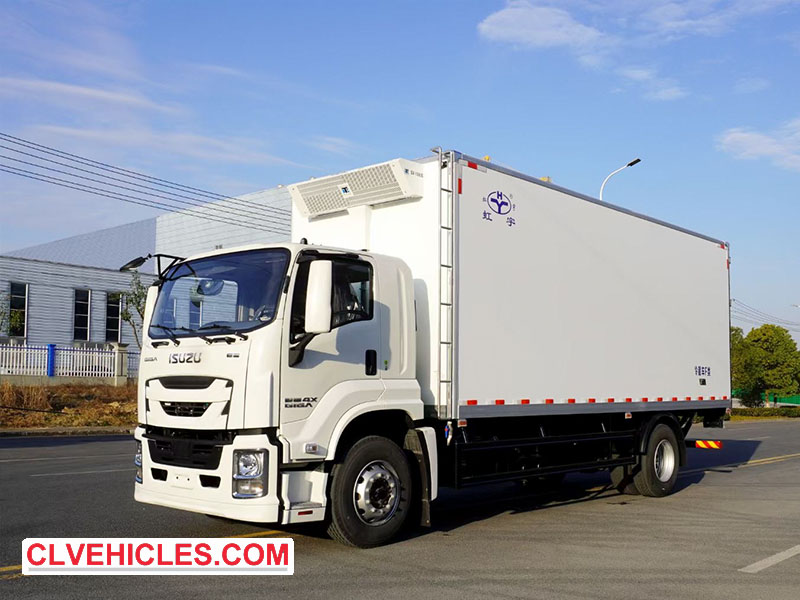
The construction of a ISUZU refrigerated truck compartment is a sophisticated engineering process aimed at creating a high-performance composite structure that combines thermal efficiency and durability. The main body of the compartment is assembled from six main panels—the front door, rear door, top, bottom, and side panels—bonded together with strong two-component structural adhesive and further reinforced with externally riveted aluminum alloy profiles. The entire structure follows the principles of sandwich composite materials, where each panel is formed by pressing inner and outer skins onto a core material with adhesive. The outer skin uses robust 2.6 mm thick glass-reinforced plastic (GRP) sheets, chosen for their strength and weather resistance; the inner surface is lined with 1.2 mm thick coated corrosion-resistant aluminum sheets to maintain hygiene and extend service life.
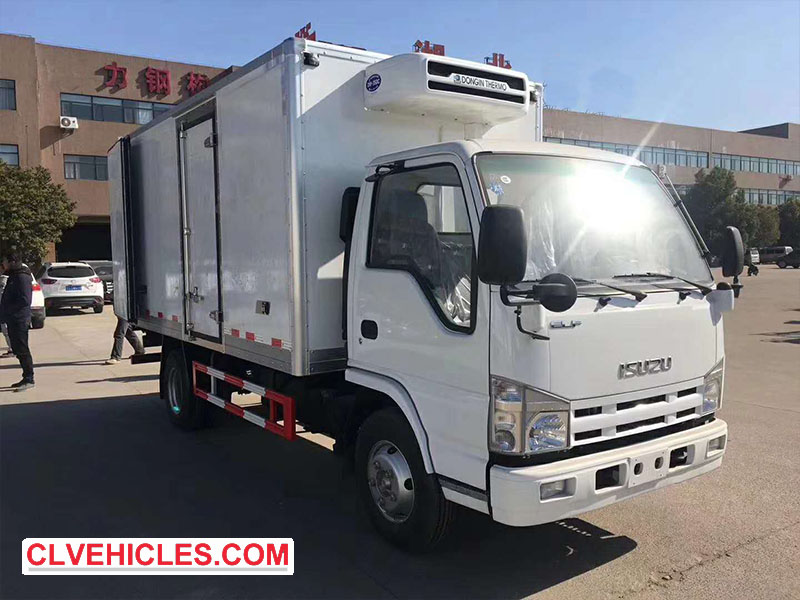
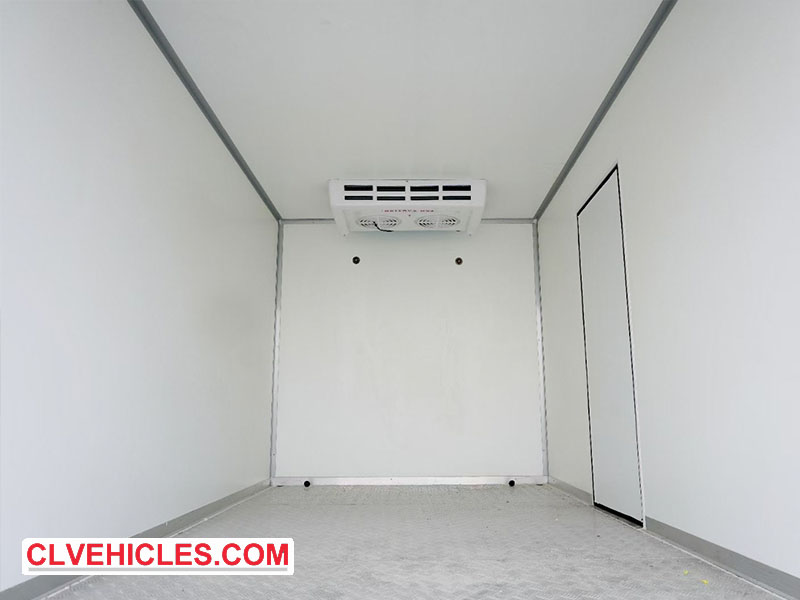
At the heart of these panels is the insulating core: rigid polyurethane foam boards with a density of 45-48 kg/m³. This foam has an extremely low thermal conductivity, ranging from 0.018 to 0.023 W/m²·K, ensuring minimal heat transfer and maintaining its structural integrity over a wide temperature range of -50°C to +70°C. Each panel type features a specific thickness and reinforcement design to suit its specific function. The front panel is 80mm thick, embedding mounting hardware and featuring an opening for an independent cooling unit. The left and right side panels are also 80mm thick, containing embedded components for internal fittings such as ventilation slots or cargo securing rails.
The baseboard is meticulously designed to withstand heavy loads while preventing heat loss. It is 90mm thick, with an 18mm thick waterproof plywood covering the upper surface. Below this is a robust frame constructed from channel steel profiles and plywood, a design that cleverly serves a dual purpose: preventing thermal bridging between the interior and exterior while significantly enhancing the floor's structural integrity and load-bearing capacity. The floor surface utilizes rectangular aluminum profiles and a duckbill drainage system. The top panel, also 90mm thick, features embedded iron fittings for secure installation of interior accessories such as ceiling lights and evaporator units, and is equipped with protective covers.
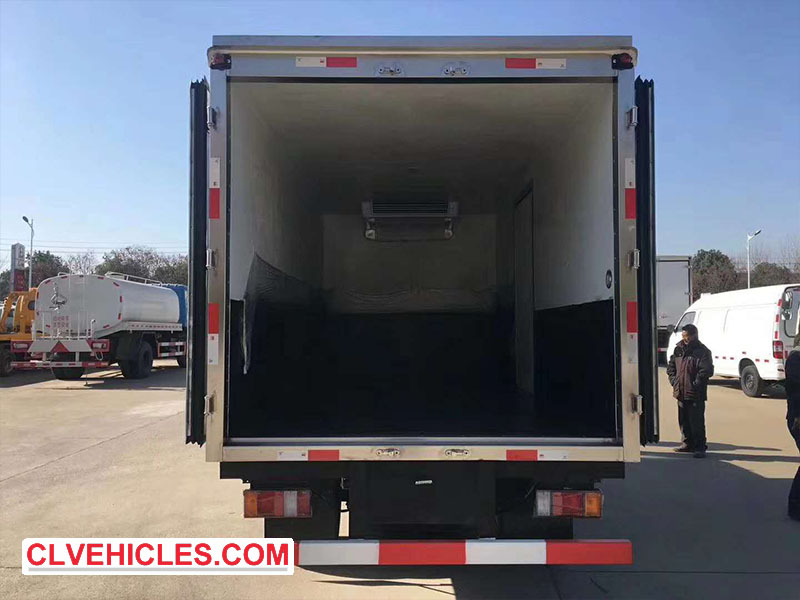
A key focus is the rear door frame, constructed from 2.5mm thick SUS304 stainless steel for maximum durability and corrosion resistance. This design allows the rear door to open fully 270 degrees for unobstructed access. The frame is meticulously secured to the enclosure, externally with round-head screws and internally with a double-layer reinforcement system consisting of countersunk screws and rivets. Crucially, an ABS plastic insulation layer is inserted between the stainless steel frame and the composite panel to prevent cold bridging, which could compromise insulation performance. The rear door panel itself is 80mm thick, opens fully, and is equipped with heavy-duty hardware such as hinges and a lock.
Achieving extremely low air and heat leakage rates is paramount, ensured through a multi-layer sealing strategy. Structurally, all panel seams are designed with overlapping steps, increasing both seal length and strengthening the connection. These mating surfaces, including those with the rear door frame, are coated with the same high-performance assembly adhesive used for the main bonding, ensuring airtightness. Internally, the joints between the floor and walls are sealed with polyurethane structural adhesive. The door itself uses a universal labyrinth rubber strip, creating a circuitous path for airflow while ensuring a tight and reliable seal through precise control of the door gaps. Every penetration into the compartment shell, whether it's the refrigeration unit piping, the internal light wiring, or the mounting screws, is carefully sealed using specialized sealants and sealing rings. Final assembly follows a strict sequence—from the base plate to the rear door installation—to ensure precise assembly, with rigorous quality control over diagonal measurements, adhesive application, and screw placement, guaranteeing an airtight, highly efficient, and structurally robust finished refrigerator.